





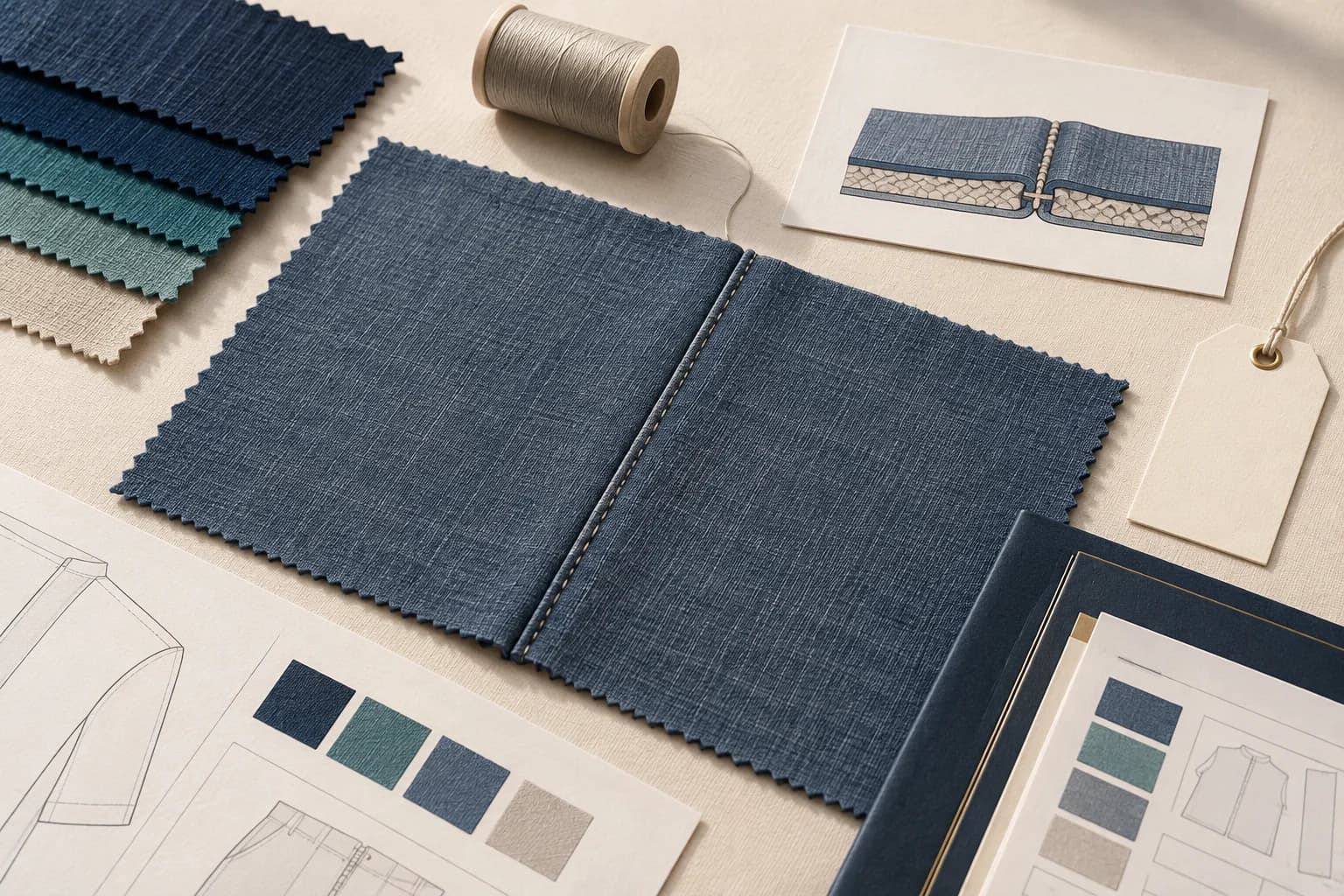
A seam strength test is useful when the buyer knows which sewn assembly is being assessed and what production decision depends on the evidence. A fabric name, a strong thread description or a photograph of tidy stitching is not a complete assembly specification. Material, seam construction and preparation must be traceable before a result can guide approval.
This guide frames the decision around an apparel woven seam. Its worked example is hypothetical and contains no measured forces or passing sample. It also explains why a woven seam method cannot automatically be assigned to the stretch inner layer of a running short. The appropriate provider must confirm the actual assessment scope.
01 · Decision record
Specify the joint you intend to approve
Start with the garment location: an identified outer-body joining seam, for example. Record the cloth reference, color, direction of the cut panels, seam arrangement and development revision. Identify the thread, stitch choice and intended stitch density from the current construction brief. If a detail is unresolved, mark it as a question for sampling rather than letting a technician guess.
The public ASTM D1683/D1683M-22 information identifies thread, stitch type, seam type and stitch density as seam-engineering variables for woven textile assemblies. That supports reviewing the combination instead of buying a thread in isolation. It does not prescribe the best combination for your garment or establish an acceptable force for every order.
Keep a drawing or clear construction record with the physical reference. Identify whether an assessment concerns a production-representative assembly or a separately prepared comparison assembly. Those choices answer different development questions. A report on an unspecified standard seam should not quietly become approval of a different garment construction.
02 · Decision record
Check the material and method boundary first
SGS-IPS's D1683 service description describes a woven-fabric seam assessment and allows identified sewn articles or prepared assemblies within its scope. It also states that the method does not predict actual seam wear performance. A laboratory result therefore needs a defined use in your approval process, alongside the garment's other development checks.
Send the provider the actual material structure and proposed assembly. Request confirmation of the method reference, edition, specimen preparation and reporting scope. Ask whether supplied garments or prepared assemblies are suitable for the question. Obtain the provider's submission instructions and required quantity rather than cutting your own specimens from an online diagram.
A proposed two-in-one running short contains a different decision: a stretch-knit inner layer joined to an outer layer at the waist. Do not extend the woven example to that liner by changing only the material name. Ask a qualified provider to select an applicable approach for the actual knit, stretch and join, and agree the buyer's acceptance before assessment.
03 · Decision record
Separate failure questions before requesting a number
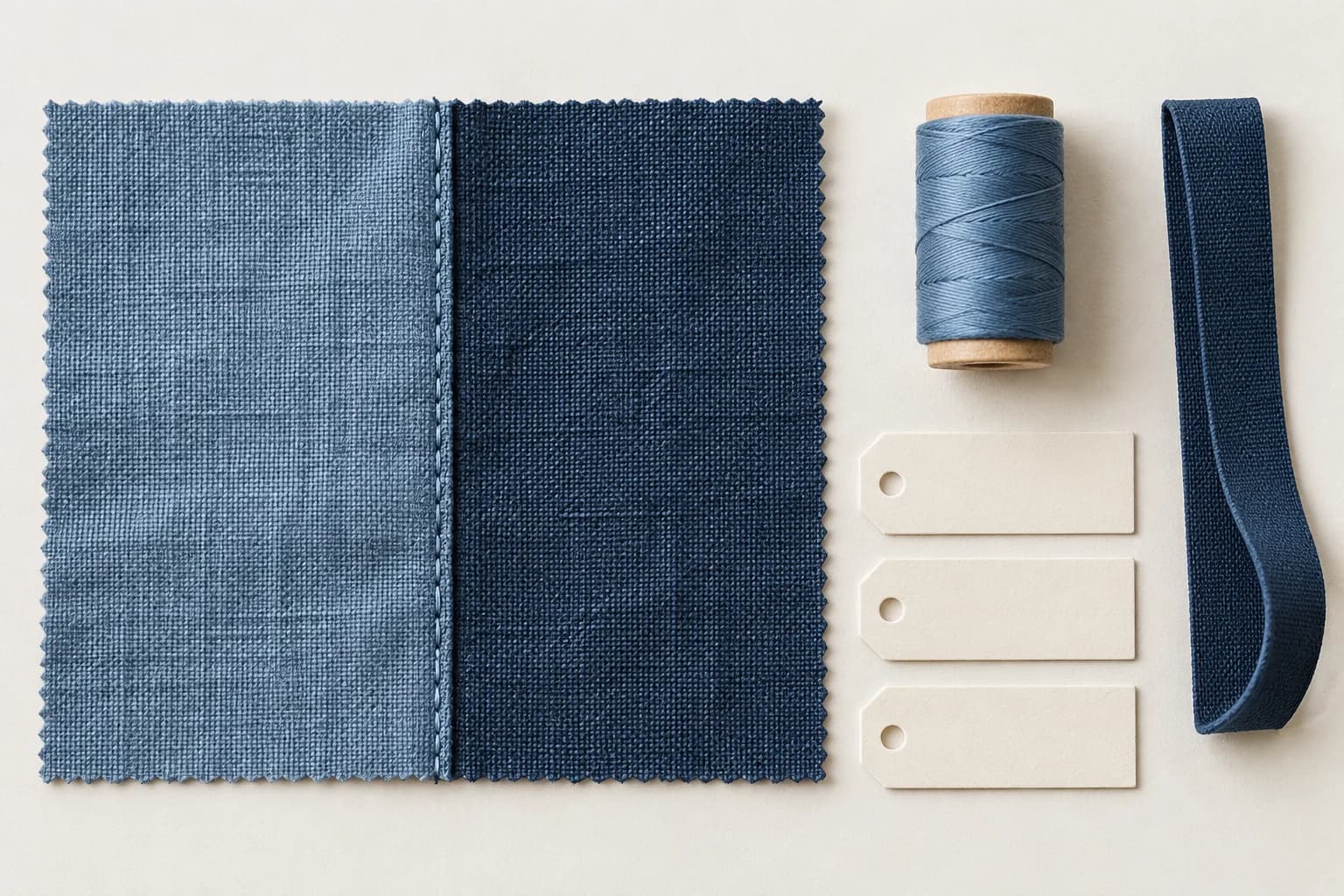
A buyer may be concerned about thread breakage, damage to the cloth near a join, or yarn displacement that opens the seam area. Describe the observed concern and ask how the proposed assessment distinguishes relevant behavior. The ASTM public information discusses sewn-seam failure and slippage within its woven scope; the terms should not be treated as interchangeable buying claims.
Request a report that identifies the assessed assembly and explains the recorded outcome within the agreed method. Where a buyer specification requires a particular measurement or observation, make that requirement explicit. A high headline value cannot answer a different question about opening, comfort or repeated movement.
Do not write an arbitrary minimum force into an RFQ because another garment used it. Agree any acceptance requirement for the actual product and method with the responsible buyer and provider. Keep units, conditions and interpretation visible. If suppliers submit differently scoped reports, resolve comparability before ranking them or asking one factory to match a number that describes another assembly.
04 · Decision record
Prepare a brief a sampling team can reproduce
Use one assembly identifier across the construction drawing, sample notes and assessment request. Include the material references and seam location, stitch and seam arrangement, thread reference and the relevant preparation or finishing status. Identify who makes the assembly and who confirms it represents the intended construction.
Ask the provider which additional information it needs. The buyer does not need to reconstruct a copyrighted test procedure to write a useful brief. It needs an agreed question and a reproducible development reference, with the provider handling the method requirements within its confirmed service.
If the factory proposes a change during sampling, record it before specimens are prepared. A different thread, seam allowance, stitch arrangement or cloth direction may change which assembly is actually under discussion. Keep the revised drawing and sample comments together. Avoid sending the latest garment with an earlier construction sheet because both carry the same style number.
05 · Decision record
Follow a woven outerwear seam through one revision
Consider a hypothetical team developing a side seam for the stand-collar padded vest reference. The buyer has selected a woven outer direction but has not approved the seam assembly. The shell, lining and proposed fill remain separately identified development choices; no result is assumed for any of them.
The team describes the outer-body joint and asks the provider which prepared assembly would answer its strength question. It distinguishes that assessment from review of the complete padded seam, armhole finishing and lining joins. The selected scope is recorded before submission. This prevents one outer-cloth result from becoming an unsupported claim about every join in the finished vest.
During sample review, the development team proposes another stitch arrangement to address a construction concern. It creates a new assembly revision, identifies what changed and asks whether renewed assessment is needed. The buyer keeps the earlier evidence associated with the earlier construction while the new option is reviewed.
The final decision may approve one identified assembly, request another revision, or hold the choice pending clearer evidence. It should name the approved drawing and sample, the scope of the supporting report and the remaining garment checks. No force values, test passes or actual Forthright production outcomes are invented in this example. The useful output is a controlled construction decision.
06 · Decision record
Use changes to trigger the right reassessment
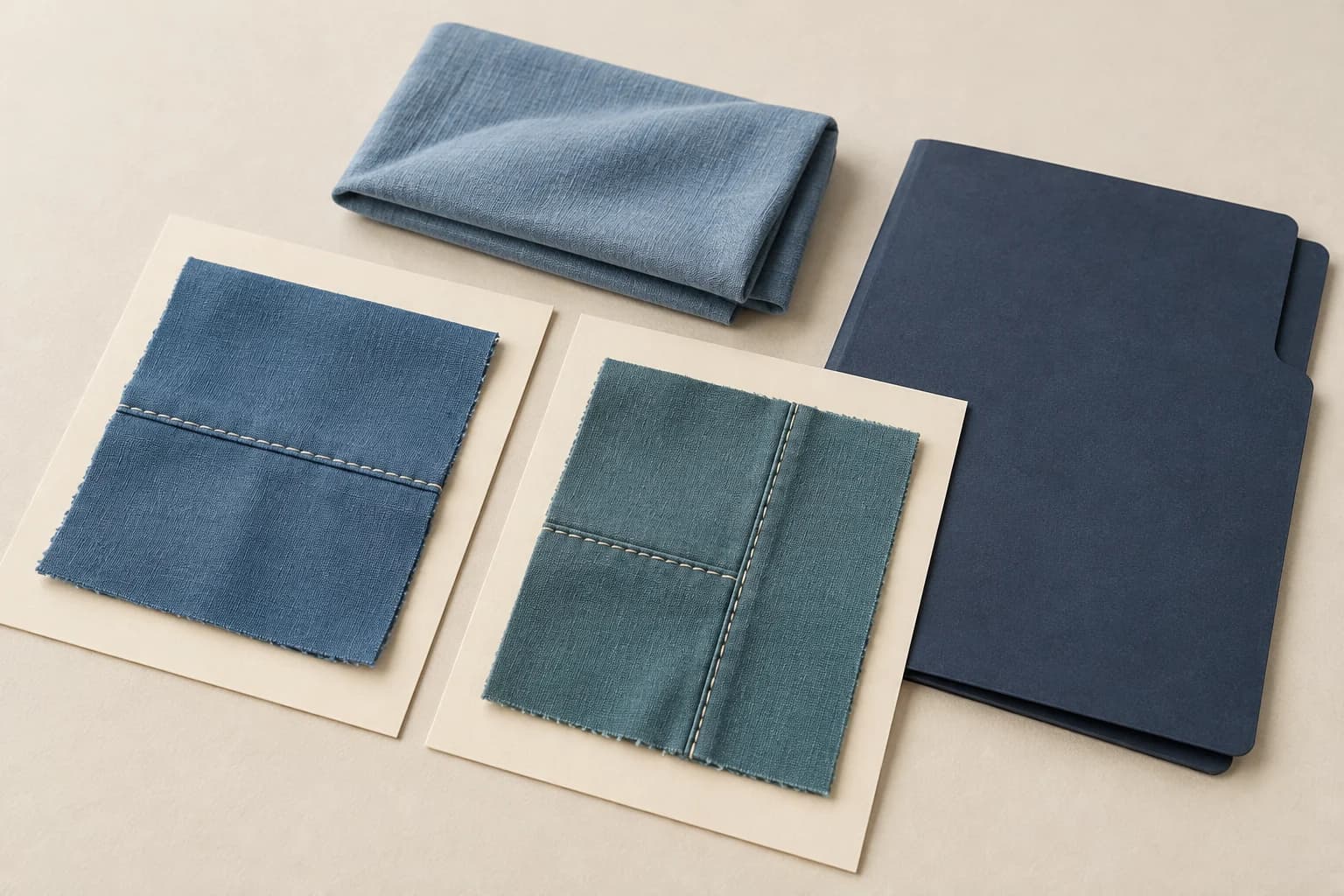
Build a short change record around the approved assembly. Material source or structure, thread, stitch arrangement, seam geometry and relevant preparation should remain identifiable. When one changes, ask the buyer and provider whether the existing evidence still supports the intended claim. Record the answer before the revised construction is released.
Do not prescribe extra stitching as a universal correction. If a buyer sees a problem, ask the development team to explain the proposed change and review the new sample. Appearance, seam bulk and wearer contact may also need attention. Select the construction through the agreed development process rather than treating more stitches or heavier thread as automatic proof of strength.
A new garment size can also change the practical fit review even when the seam description is unchanged. Confirm the applicable size set, movement checks and grading with the buyer. Keep laboratory scope separate from fit approval so a report does not conceal a tight armhole, poor rise or uncomfortable join.
07 · Decision record
Connect assembly approval to the actual production brief
Place the approved seam reference beside the material, measurement and trim references in the tech pack. Ask the factory to raise a proposed substitution before treating it as equivalent. If an earlier development sample is retained, identify its revision so it cannot be confused with the current approval.
For the two-in-one running shorts development reference, distinguish the outer seams, stretch inner seams and shared waist attachment. Agree which questions concern material compatibility, movement, seam feel or provider assessment. A single generic seam-strength statement should not stand in for those separate layer decisions.
Use the bulk quality-control guide when organizing release evidence. That wider decision still needs material and size approvals, workmanship review, resolved findings and packing instructions. The seam report contributes only within its stated scope; it does not release the whole order by itself.
08 · Decision record
Agree how competing assembly options will be compared
When reviewing more than one proposed construction, establish the comparison question before sample deliveries are prepared. Are you selecting between material candidates with a controlled assembly, or reviewing two production seam arrangements on the same identified cloth? Ask the provider to confirm which comparison its scope can support. Changing several unrecorded variables at once leaves the buyer without a clear reason for the difference.
Give each option a separate specimen or assembly reference and retain the corresponding drawing. Ask for enough explanation to connect the reported outcome to the option submitted, including any stated limitation or departure from the request. If photographs or observations are supplied, keep them with the complete report rather than forwarding a cropped headline value.
Where reports disagree, first reconcile identity, preparation, method and units with the parties involved. Do not average incompatible figures or select the most favorable one. Request a technically justified resolution from the provider and buyer, and record whether another submission is needed. Until that question is resolved, keep the construction decision open rather than releasing an ambiguous assembly to production.
09 · Decision record
Buyer questions before requesting a quotation
Can we use a fabric-only report? It may inform material selection, but it does not identify the proposed sewn joint. Ask which assembly-specific evidence the buyer needs and whether a new submission is appropriate.
Can the supplier prepare the sample assembly? Confirm that arrangement with the provider. Record who prepares it, the construction used and how its identity will be checked. Do not assume an unnamed strip of stitching represents the production brief.
Does a passing result guarantee wear performance? Do not make that claim. Retain the method's limitations and plan the garment's other reviews separately. Comfort, movement and intended care require their own development decisions.
Forthright's MOQ is 300 pieces per style and color. Samples usually take 7–10 days after brief confirmation; new materials or additional assessment may need more time. Bulk production is usually planned around 30–45 days after sample approval, order confirmation and material readiness. Confirm any external provider schedule separately.
Send your inquiry brief with the garment reference, identified materials, construction questions, size range, quantity breakdown and required evidence. The next useful step is a clear assembly and sampling plan, followed by the buyer's recorded approval of the version intended for production.