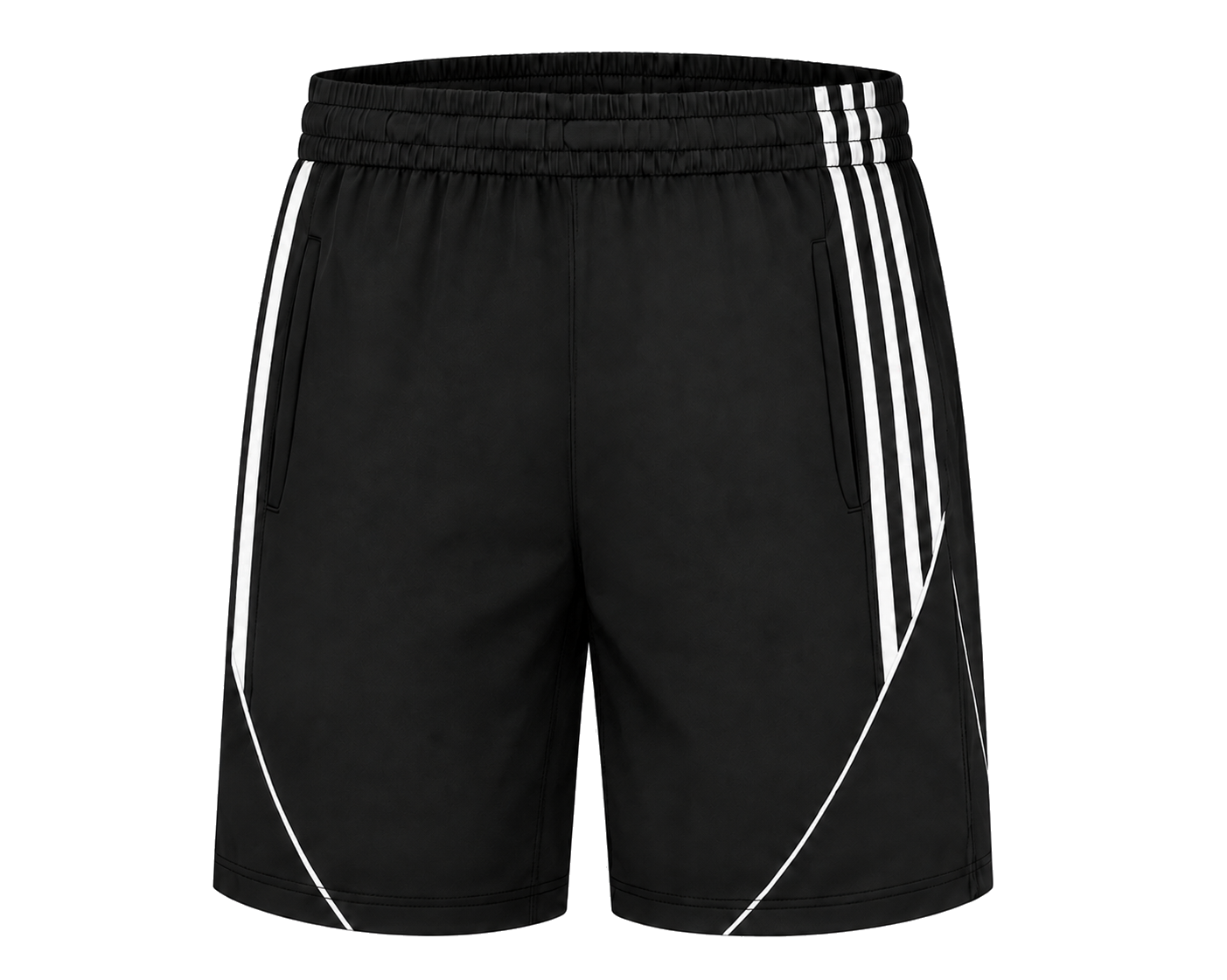





Two-layer short silhouette
A loose outer short covers an integrated fitted inner short. Agree both inseams and their visible difference; this is a short outer rather than a skort or a single cycling-short silhouette.
With your permission, we use Google Analytics for sanitized page-path measurement. Inquiry forms and WhatsApp work without analytics consent.
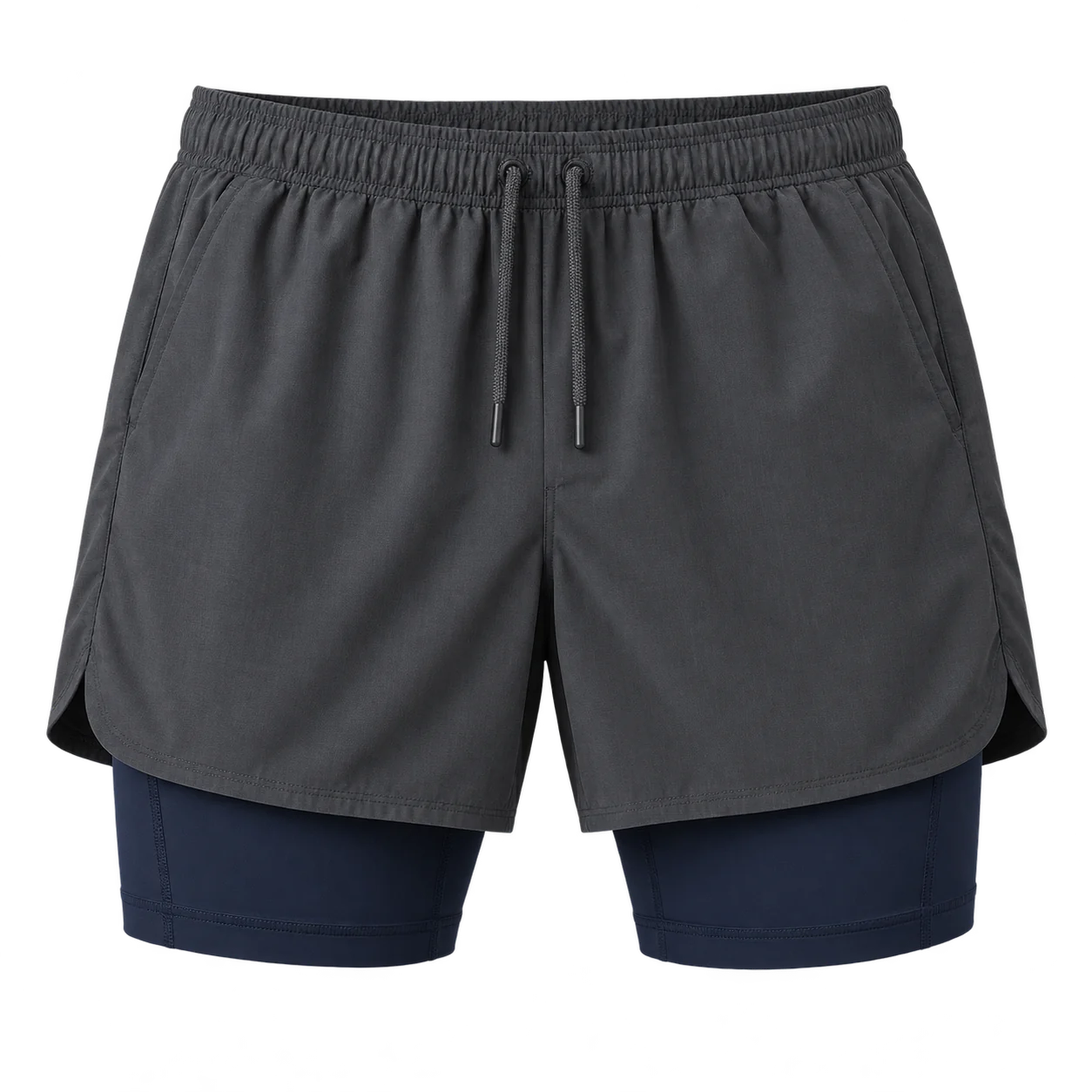
Two-in-One Running Shorts · front manufacturing reference
OEM TWO-IN-ONE RUNNING SHORTS
Running shorts manufacturer development reference with a loose outer, integrated inner short and shared waist. Review materials and fit; MOQ 300 per style/color. Proposed development artwork; final materials and construction require sampling.
Send quantity by color and size, stretch and handfeel targets, artwork, fit reference, destination and delivery window.
PRODUCT-SPECIFIC DEVELOPMENT
This two-in-one running short is a proposed development reference for activewear brands and professional sourcing teams. It combines a loose charcoal outer short with an integrated fitted navy inner short, a shared elastic waist and a simple drawcord direction. The images show a possible construction, not an approved sample or confirmed performance specification.
A running shorts manufacturer brief should identify both layers rather than treating the liner as an afterthought. Select the outer material for the intended shape and movement, then review the inner material's stretch, recovery and contact on the sample. Composition, weight, finish and care remain buyer-confirmed. No compression, quick-dry, moisture-management, opacity or anti-chafing result is implied by the rendering.
Agree where the layers join, their relative inseams and the outer side-split opening. Review rise, waist tension, pocket access, layer ride-up and seam feel during the buyer's movement and fitting checks. A change to either material or the waist join may require another sample and quotation review. The inner short is a fitted garment layer, not a cycling pad or a skirt lining.
CONSTRUCTION DOSSIER
Seam placement, stretch direction and fit are converted into measurable pattern and workmanship controls for repeat production.
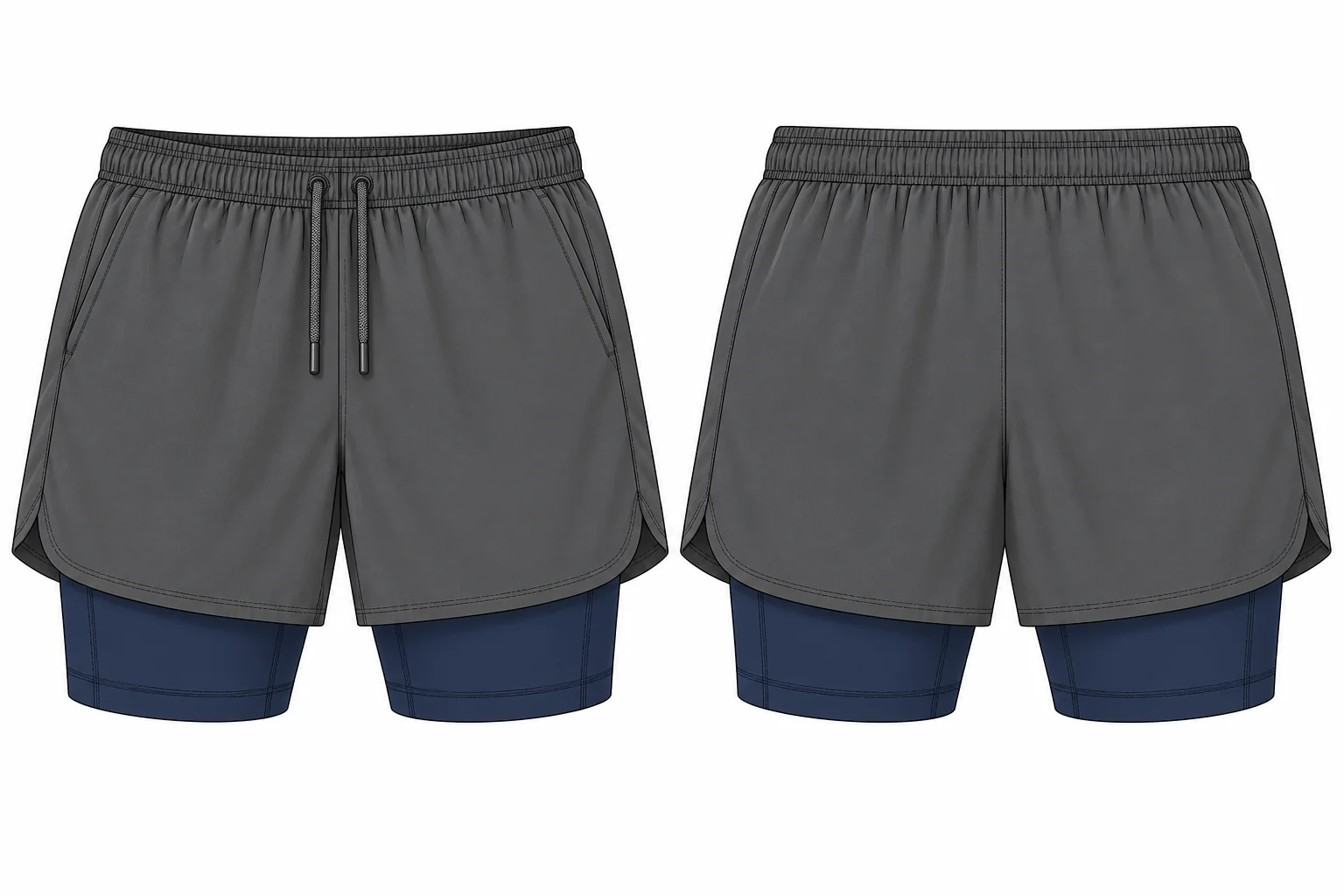
A loose outer short covers an integrated fitted inner short. Agree both inseams and their visible difference; this is a short outer rather than a skort or a single cycling-short silhouette.
Develop the layer attachment, elastic width and waist casing on the selected materials. Review relaxed/extended opening, rise and seam bulk on the sample; the assembly is not yet approved.
Confirm whether a drawcord is required, its exit finishing, length and placement for the intended wearer/destination brief. Approve the hardware-free reference or any requested alternative.
Agree the shallow split length and hem shape with the layer lengths. Review movement and coverage on the actual pattern before changing or increasing the opening.
Select the pocket arrangement only where the buyer needs it. Confirm opening, pocket bag, reinforcement and effect on outer drape; no phone-retention or secure-load performance is claimed.
Review seam placement, inner leg opening, hem finish and contact during fitting and movement. Knit stretch and joining behavior need material-specific approval; no compression or anti-chafing result is implied.
FACTORY EVIDENCE
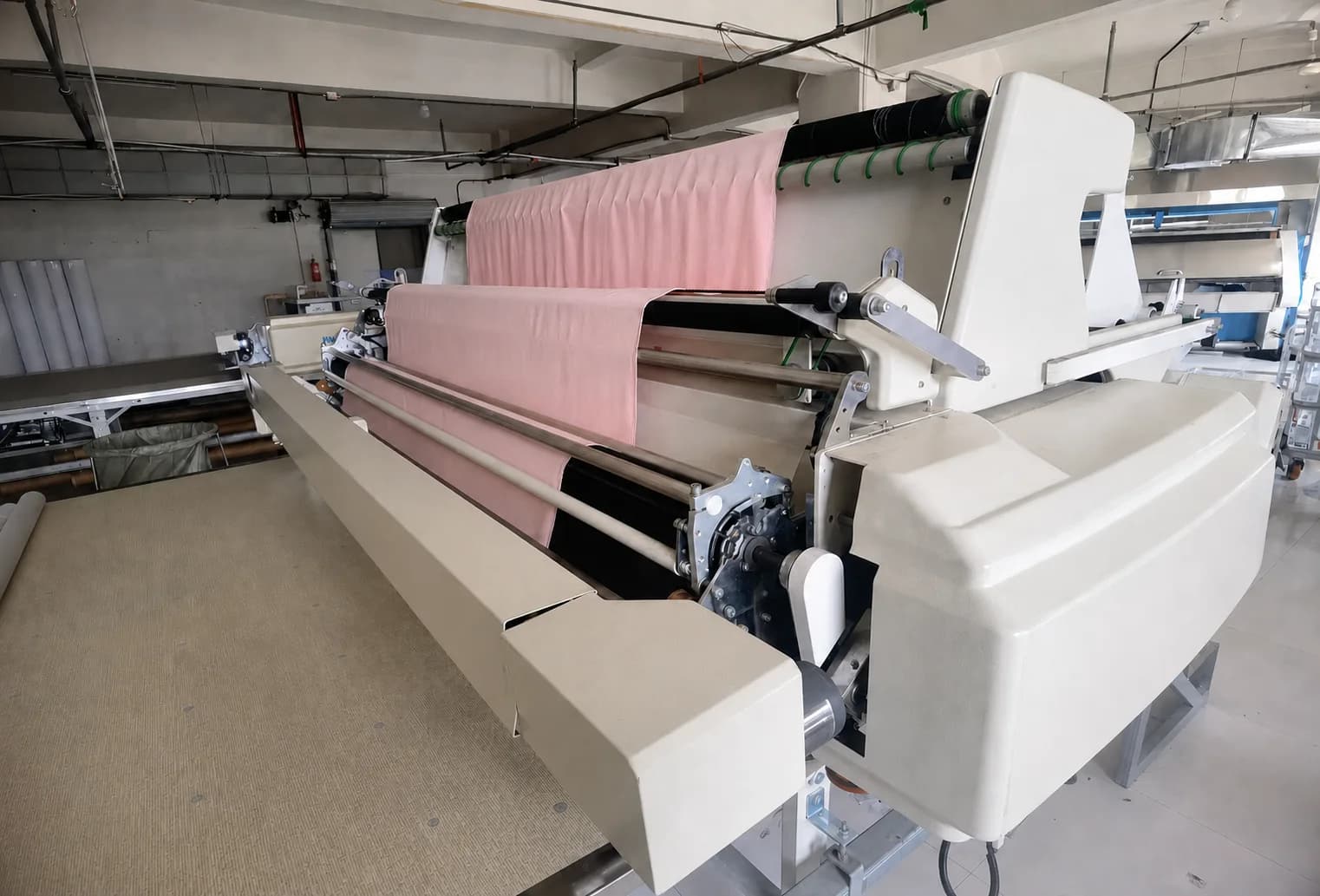
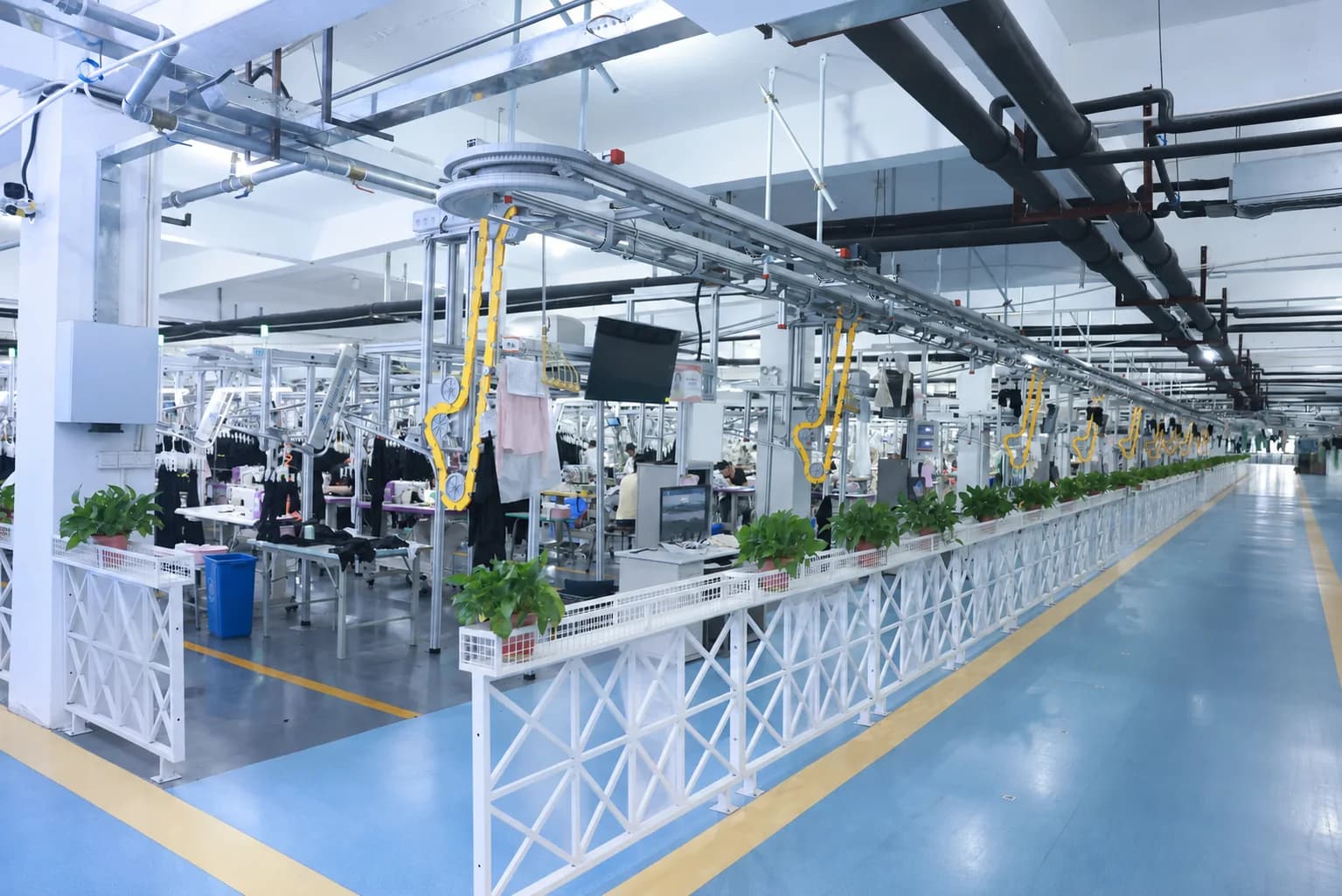
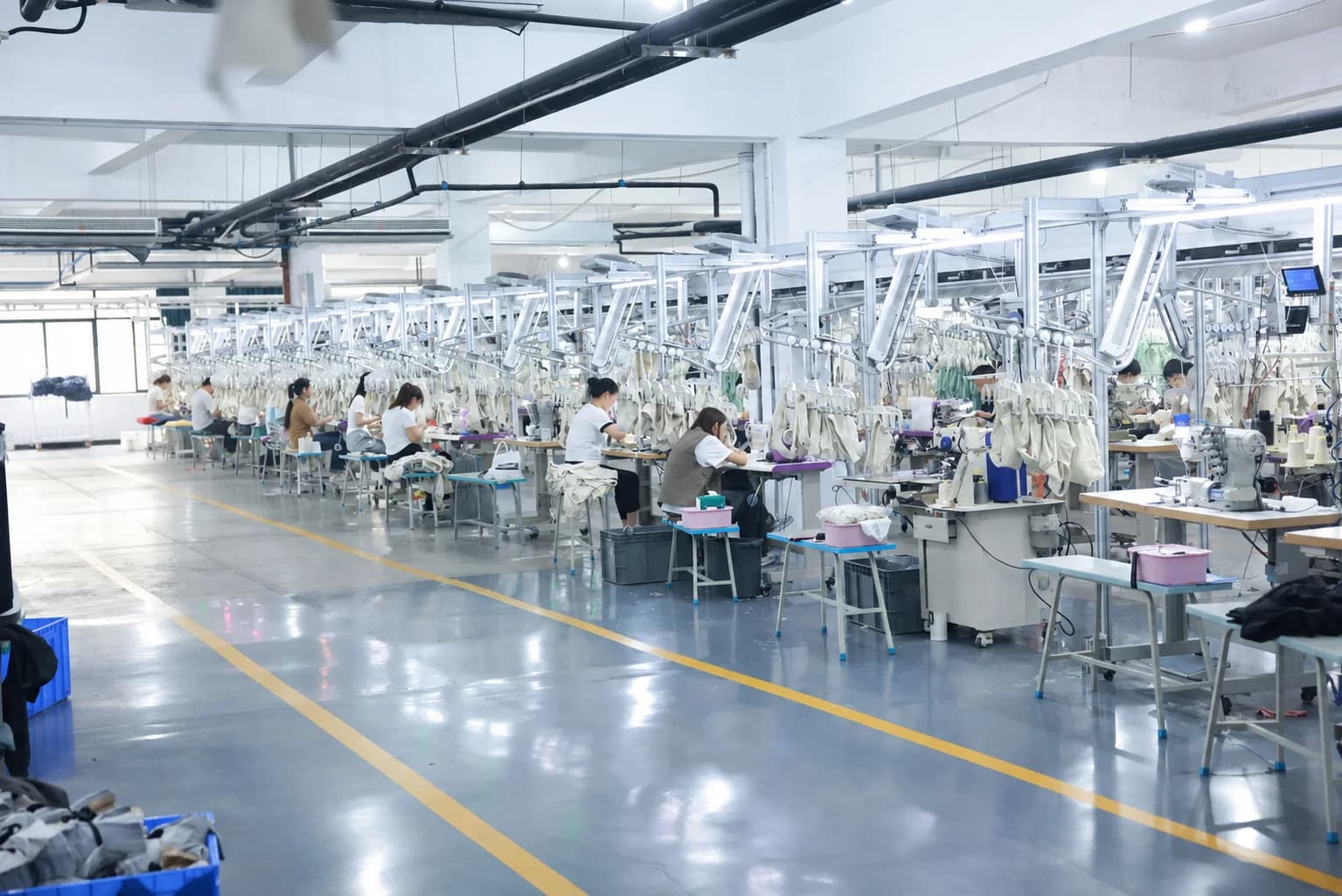
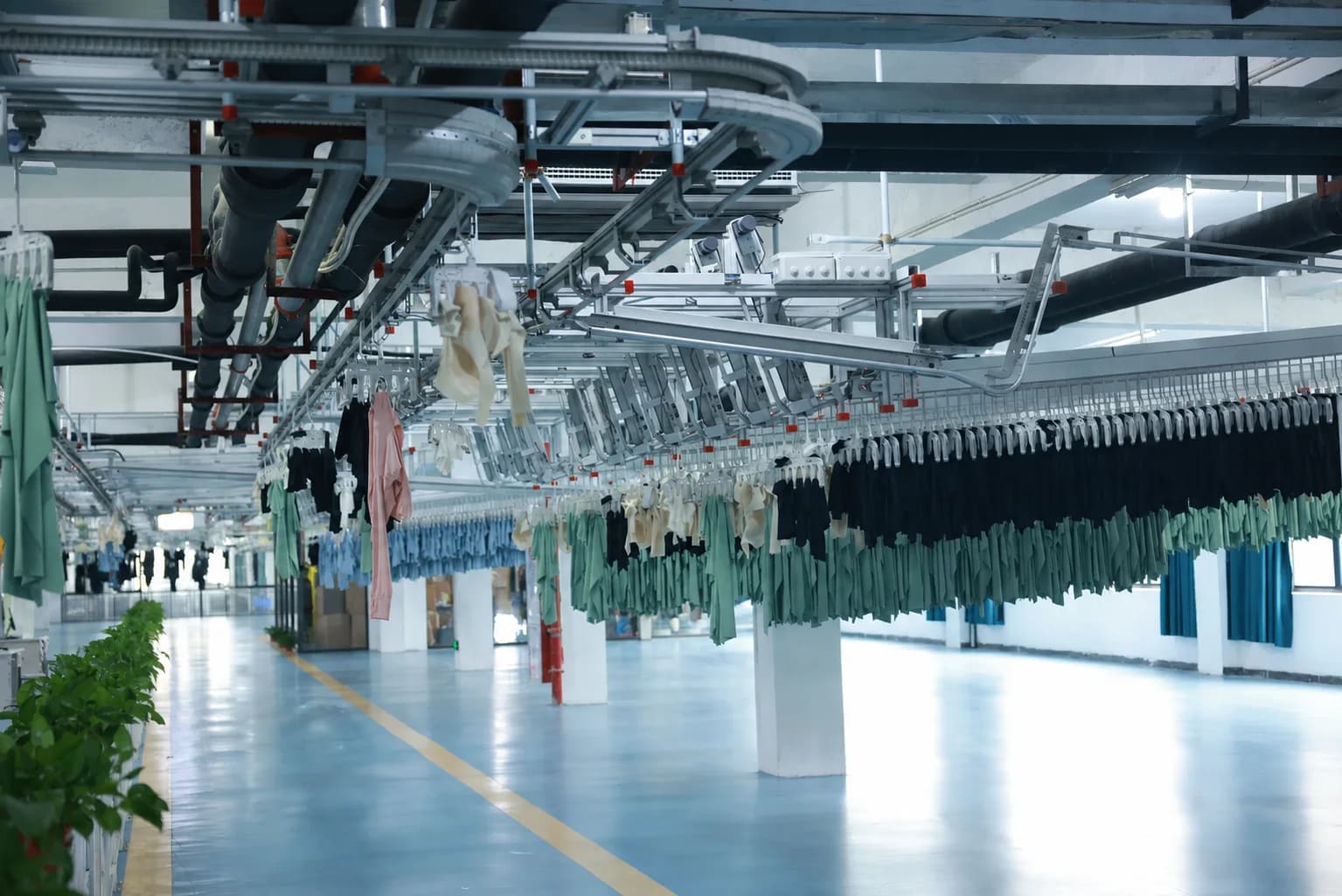
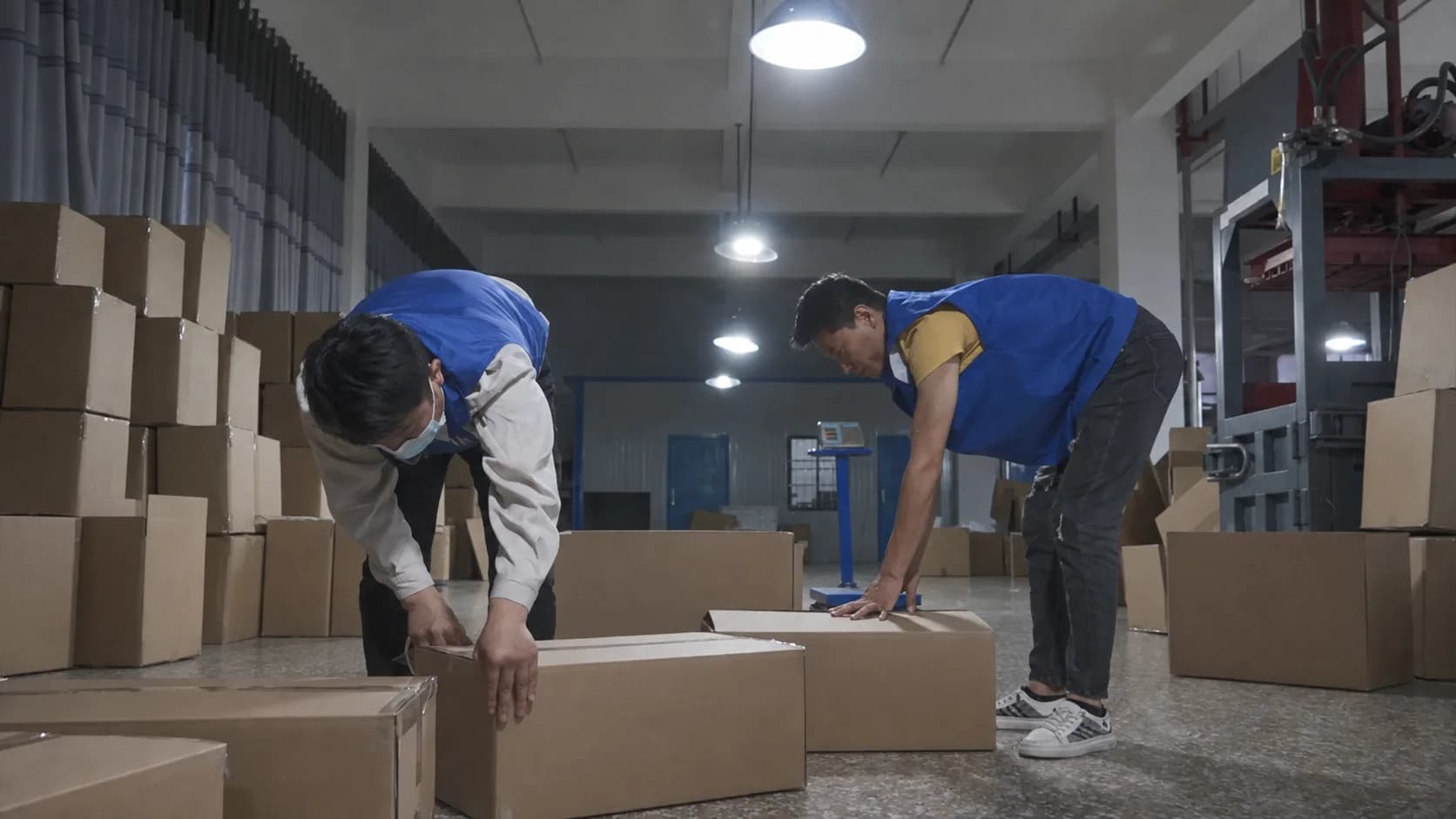
Real factory views connect the buyer brief to fabric preparation, cutting, sewing, handling and packing. The photographs are shared operational evidence; the specification above remains unique to this product.
MATERIAL DIRECTION
This development illustration groups the proposed outer cloth, inner-cloth direction, elastic and drawcord for the layered shorts. Select actual materials and review their combined waist and leg construction on the sample; composition, weight and performance remain unconfirmed.
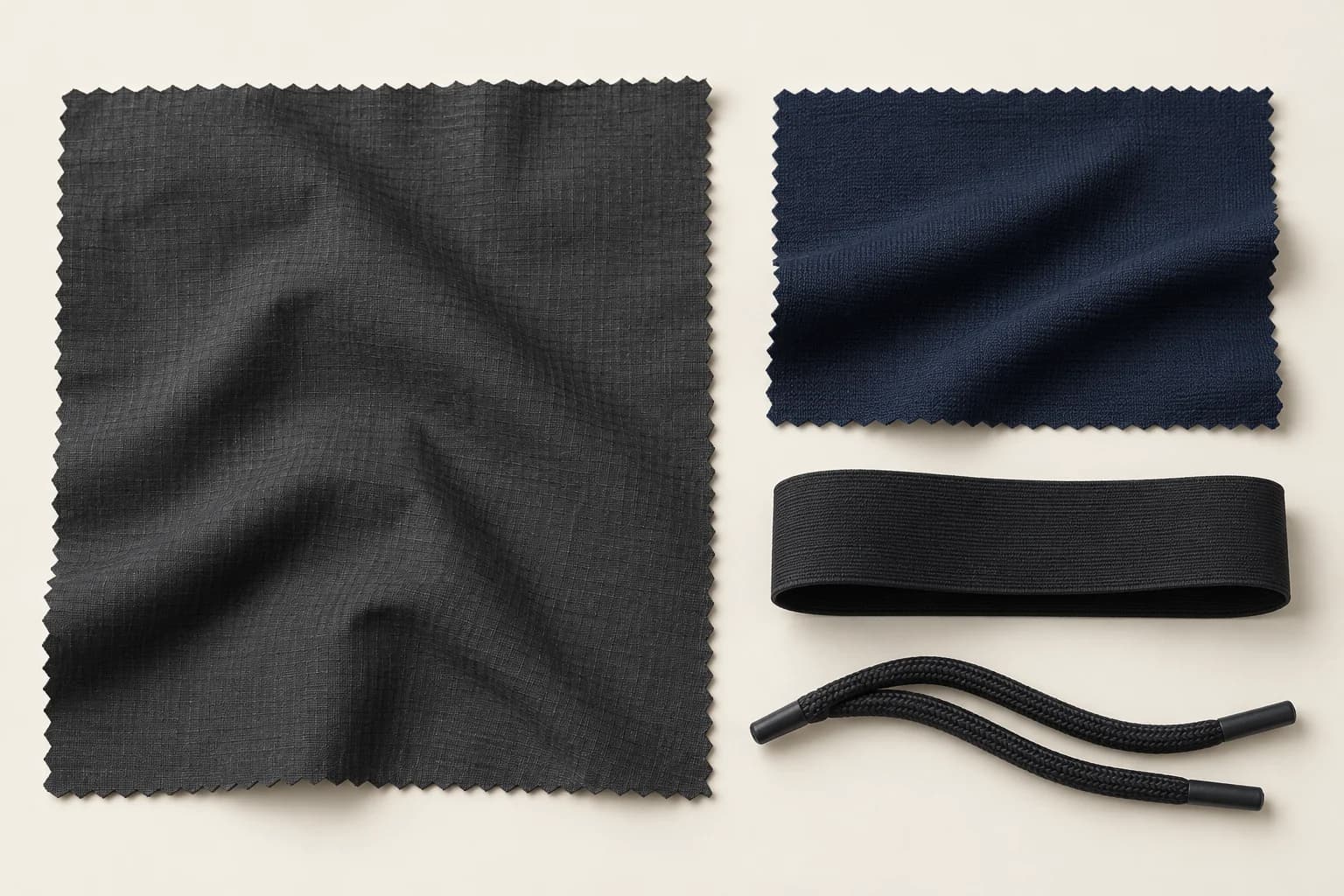
The charcoal swatch illustrates the proposed loose outer layer. Review the actual cloth for shape, handle, movement, color, composition, weight, finish and care against the buyer brief; this image does not establish quick-dry or weather performance.
The navy swatch illustrates an inner-layer material direction. Review the selected knit structure, stretch, recovery, contact and intended fit on the development sample. Confirm any opacity or other assessment requirement separately; compression and anti-chafing performance are not assumed.
The elastic and drawcord illustrate waist-component choices. Confirm elastic width, relaxed and extended opening, drawcord finishing, thread and the outer-to-inner waist attachment with the selected cloths. Internal seam geometry and joining are sample decisions rather than details shown by this board.
CUSTOMIZATION MATRIX
Each item becomes a recorded approval point so sampling decisions move cleanly into bulk production.
Yes. Review both layers and their shared waist from the buyer drawing/reference. Confirm relative length, rise and joins through a new sample before size or production approval.
Send the intended use, outer/inner material direction, lengths and movement/fit requirements. Separate sourcing options from approved choices so the team can review feasibility and quotation scope.
Adjust the simple pocket and split layout against the selected pattern. Added pockets or changed openings may alter fit, reinforcement, material use and cost.
Provide logo size, application direction and placement on each layer where required. Review compatibility and contact with the actual material before approving decoration.
A new liner, outer cloth, elastic or joining arrangement may require another fit or evidence review. Record each approved revision rather than transferring an older sample comment automatically.
Confirm material availability, new pattern work, quantities and assessment needs in a sample plan. This proposal does not establish specialized running-gear machinery or exact-style production history.
Review waist tension, rise, seat/thigh ease, inner and outer inseams, leg openings, pocket access and layer ride-up during the agreed fitting and movement review.
Define the target wearer, base size, full size range and layer-specific measurement points. Approve garment tolerances and grading; a material or join change can require a revised size review.
Usually 7–10 days after materials, measurements, artwork, trims and construction are confirmed. New materials, pattern balancing or extra evidence can need additional time.
STYLE-SPECIFIC WORKFLOW
Development illustrations show proposed design and material choices. Shared factory photographs provide production context; fit, construction and material approvals are separate buyer decisions.
Confirm the two-layer short silhouette, shared elastic waist, front drawcord direction, size range and destination market.
This development illustration groups the proposed outer cloth, inner-cloth direction, elastic and drawcord for the layered shorts. Select actual materials and review their combined waist and leg construction on the sample; composition, weight and performance remain unconfirmed.
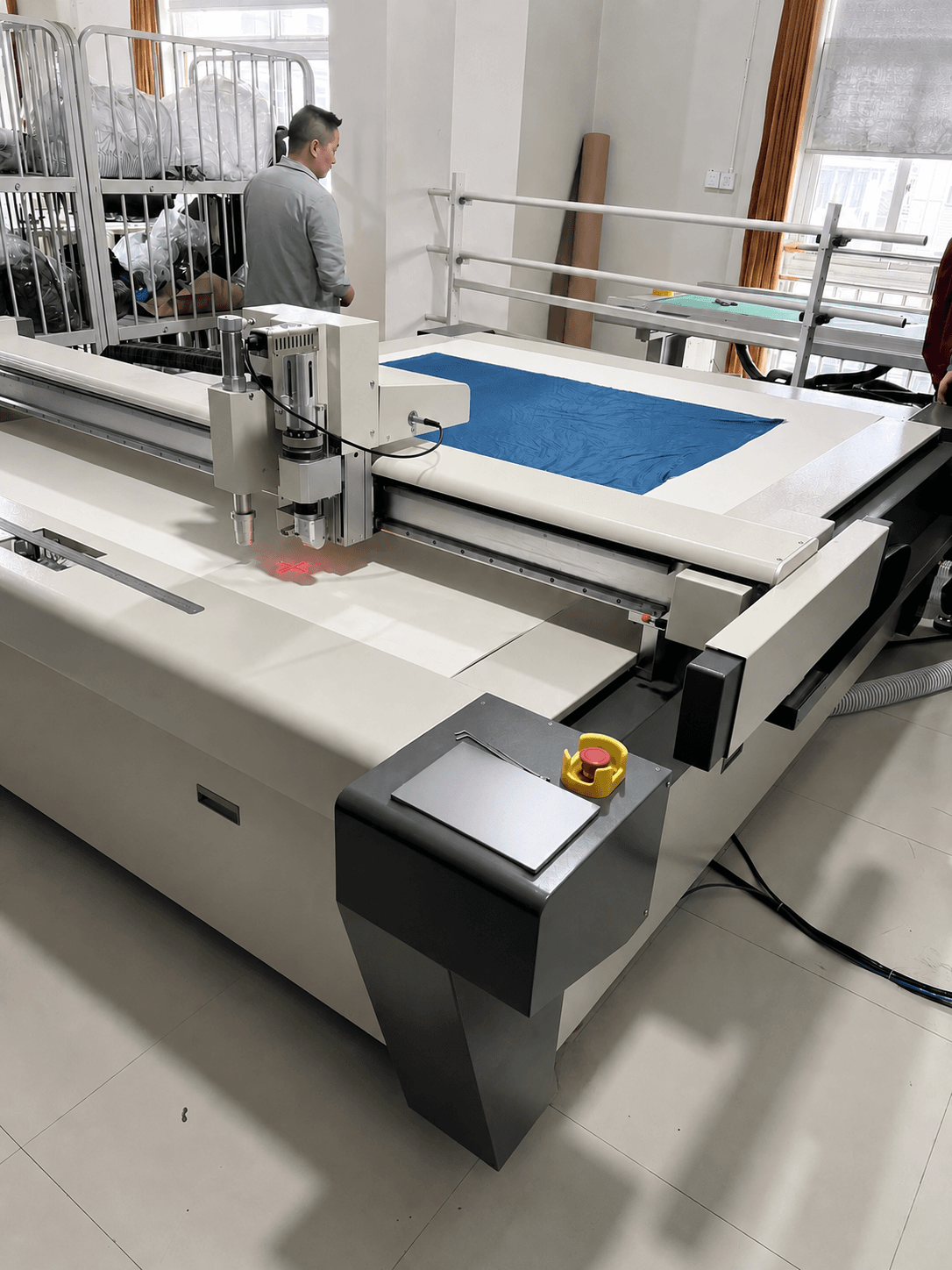
Translate the approved two-in-one running shorts construction into repeatable pattern pieces and cutting markers.
Assemble a development sample for fit, two-layer short silhouette and functional review.
This shared factory photograph shows garments on an overhead handling line. It provides production-flow context; confirm fit and size separately on an identified development sample before bulk release.
Retain the latest layer drawings, material/component references, sample comments, size chart and packing instructions for the order.
PRODUCT QUALITY PLAN
Inspection focuses on seam stretch, symmetry, measurement recovery, coverage, artwork durability and finishing consistency.
Shared elastic waistDevelop the layer attachment, elastic width and waist casing on the selected materials. Review relaxed/extended opening, rise and seam bulk on the sample; the assembly is not yet approved.
Front drawcord directionConfirm whether a drawcord is required, its exit finishing, length and placement for the intended wearer/destination brief. Approve the hardware-free reference or any requested alternative.
Outer side splitAgree the shallow split length and hem shape with the layer lengths. Review movement and coverage on the actual pattern before changing or increasing the opening.
Simple side-entry pocketsSelect the pocket arrangement only where the buyer needs it. Confirm opening, pocket bag, reinforcement and effect on outer drape; no phone-retention or secure-load performance is claimed.
Inner layer seams and hemReview seam placement, inner leg opening, hem finish and contact during fitting and movement. Knit stretch and joining behavior need material-specific approval; no compression or anti-chafing result is implied.
BUYER QUESTIONS
Running shorts manufacturer development reference with a loose outer, integrated inner short and shared waist. Review materials and fit; MOQ 300 per style/color. Proposed development artwork; final materials and construction require sampling.
Yes. Review both layers and their shared waist from the buyer drawing/reference. Confirm relative length, rise and joins through a new sample before size or production approval.
The charcoal swatch illustrates the proposed loose outer layer. Review the actual cloth for shape, handle, movement, color, composition, weight, finish and care against the buyer brief; this image does not establish quick-dry or weather performance. The navy swatch illustrates an inner-layer material direction. Review the selected knit structure, stretch, recovery, contact and intended fit on the development sample. Confirm any opacity or other assessment requirement separately; compression and anti-chafing performance are not assumed.
Review waist tension, rise, seat/thigh ease, inner and outer inseams, leg openings, pocket access and layer ride-up during the agreed fitting and movement review. Define the target wearer, base size, full size range and layer-specific measurement points. Approve garment tolerances and grading; a material or join change can require a revised size review.
MOQ is 300 pieces per style and color. Physical samples usually take 7–10 days after the material, measurements and construction brief is clear; additional development may take longer. Bulk production is usually planned around 30–45 days after sample approval, order confirmation and material readiness. Send the outer/inner references, lengths, waist and pocket requirements, size range, color/size quantity breakdown, artwork, evidence requirements, packing and target delivery for the next development review.
FACTORY RFQ
Send quantity by color and size, stretch and handfeel targets, artwork, fit reference, destination and delivery window. Our factory team will review the brief for sampling and bulk production.