





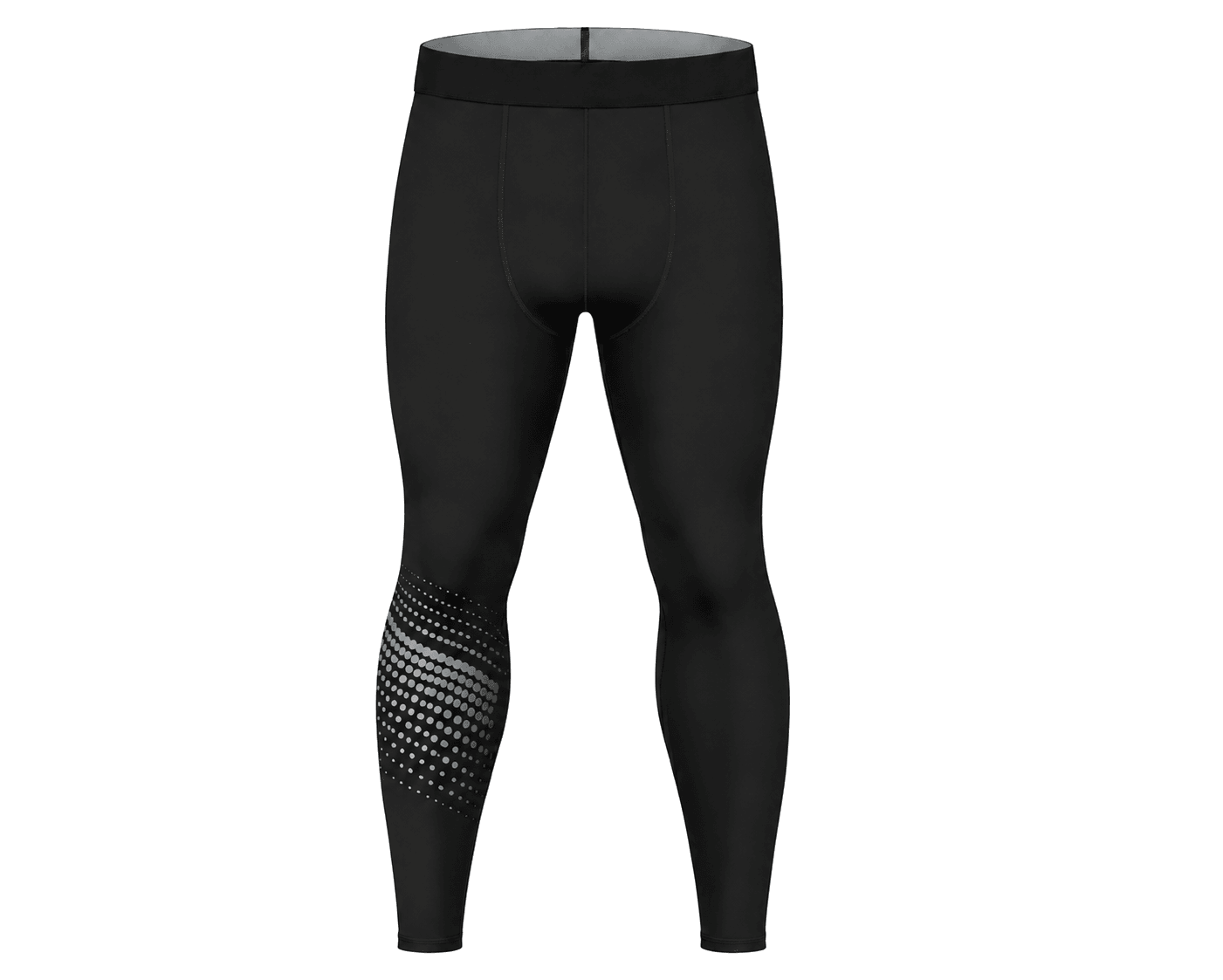
Private label leggings sample approval needs more than an opaque-looking swatch or a standing photograph. Before placing a bulk order, apparel sourcing teams should agree coverage requirements with the manufacturer, review the finished fit across the selected sizes and colors, and retain a written approval tied to the production specification.
This guide proposes a buyer's sample review workflow. It is not a laboratory test method or a guarantee that a particular fabric weight will pass. Use it to identify questions for your supplier and, where a performance claim needs evidence, your testing laboratory.
01 · Decision record
1. Separate fabric coverage from fit problems
Gymshark's customer guidance identifies material, fit and color as factors in leggings sheerness. It also explains that an overly tight fit can stretch the knit open. That makes a single standing photograph a weak basis for approving an entire size range.
Start by identifying where the issue appears. Is it the seat during a squat, a seam under tension, a deliberately sheer panel, or the whole garment? Record the color, size and sample reference. A garment that is too small for the intended wearer and a fabric that lacks coverage at the intended fit need different corrective decisions.
Do not solve a production problem simply by telling every customer to buy a larger size. First check the measurement specification, intended fit and proposed material together. If the size chart or pattern changes, assess the revised sample rather than carrying the old approval forward.
02 · Decision record
2. Write a coverage brief before asking for samples
“Squat proof” needs an agreed assessment context. Define the activity, the areas that require coverage, the intended size range and the colors in the order. Identify mesh panels separately so that an intentional design feature is not confused with an unexpected failure.
Use the fitness wear manufacturing and material guide to organize the wider brief. For a fitted style, the OEM contoured-seam leggings development reference can help you discuss panel placement and waistband construction. A product photograph shows design details; it does not demonstrate opacity or certify performance.
Ask the supplier to identify the proposed fabric by a traceable reference, with composition, construction, weight and finish. Keep a labeled swatch with the sample. “Nylon blend” or a GSM number alone leaves too many decisions unresolved to function as an acceptance specification.
03 · Decision record
3. Use a controlled sample review
The following is a suggested buyer workflow, not a standardized opacity test. Agree the procedure with the supplier before comparing samples so that a change in lighting or fit does not become an apparent change in quality.
- Confirm the sample ID, color, size and specification revision. Measure the garment using the agreed points of measure before the fitting.
- Choose fit participants who match the intended size chart, with their consent. Check the base size and representative sizes across the proposed range; agree the exact coverage with your technical team.
- Keep the lighting, viewing position and background consistent between comparisons. Assess the garment in person; camera exposure can alter what a photograph appears to show.
- Review standing, bending and the movements relevant to the intended activity. Record the specific panel and position where coverage changes.
- Separate coverage findings from seam strain, waistband movement and comfort comments. Each observation should lead to a clear question or corrective action.
- If photos are needed, agree consent and storage arrangements. Keep the inspection record focused on the garment rather than collecting unnecessary personal information.
A swatch stretch check may help screen options, but it cannot replace reviewing the finished garment at its intended fit. Retain an approved reference sample and written comments so the next reviewer knows what was accepted.
04 · Decision record
4. Compare colors and care conditions explicitly
Do not assume that approval of one color covers the whole range. Include the actual proposed colors in the assessment plan, especially when the visual result differs from the original development sample. Record which combinations have been checked and which remain open.
Agree any care assessment before testing: the care instructions, number of cycles, drying method and the point at which the sample will be reviewed again. Recheck the measurements and coverage using the same review conditions. A casual home wash with undocumented settings is not a substitute for a specified laboratory procedure.
If the program also needs evidence for stretch recovery, durability or another functional claim, ask the laboratory which method and acceptance criteria fit that requirement. SGS describes performance assessment across both materials and finished garments; the scope of a report should match the claim you intend to make.
05 · Decision record
5. Turn a failed sample into a specific revision request
Avoid a comment such as “make it thicker” as the only corrective instruction. It changes one input without defining the required result. Instead, state what happened, where it happened and under which review conditions, then request a proposed correction.
For example, an illustrative review might record that the seat panel becomes visibly sheer during the agreed movement in one color and size, while the standing fit meets the measurement brief. Ask the supplier to assess material and pattern options, describe any effect on hand feel or fit, and submit a revised sample. This example is a planning exercise, not a Forthright customer case or a test result.
Change one clearly identified specification revision at a time. If the material or pattern changes, reopen the affected approvals. The sample-to-bulk approval guide explains how to carry the accepted revision into production.
06 · Decision record
6. Record private label leggings sample approval
- Style, sample ID, fabric reference and revision are recorded.
- Intended activity and coverage areas are defined; mesh zones are identified.
- Measurements and intended fit have been reviewed before judging coverage.
- Required sizes and colors have been checked or listed as pending.
- Lighting, review movements and observation conditions are recorded.
- Any care assessment has documented settings and a clear review stage.
- Failed points have a revision owner and a resubmission requirement.
- Approved samples, comments and relevant reports refer to the same specification.
- Bulk inspection scope and handling of later material changes are agreed.
Do not release an order with unresolved coverage findings silently marked as approved. Separate approval to continue development from approval to begin production.
07 · Decision record
Questions buyers often ask
Does higher GSM guarantee squat-proof leggings?
No. Fabric weight is one specification, not a finished-garment coverage result. Review the actual material, fit, color and movement conditions rather than treating a weight threshold as a universal pass mark.
Can one approved size represent every size?
It is a useful starting reference, but it does not demonstrate how every other size fits. Agree a size review plan and investigate changes in tension or proportions across the range.
What should I send when requesting a leggings sample?
Send your technical drawing, size chart, quantity by size and color, intended activity, fabric direction and coverage review requirements. List any unresolved decisions. Request a private label leggings sampling review so sampling and quotation can address the same specification.