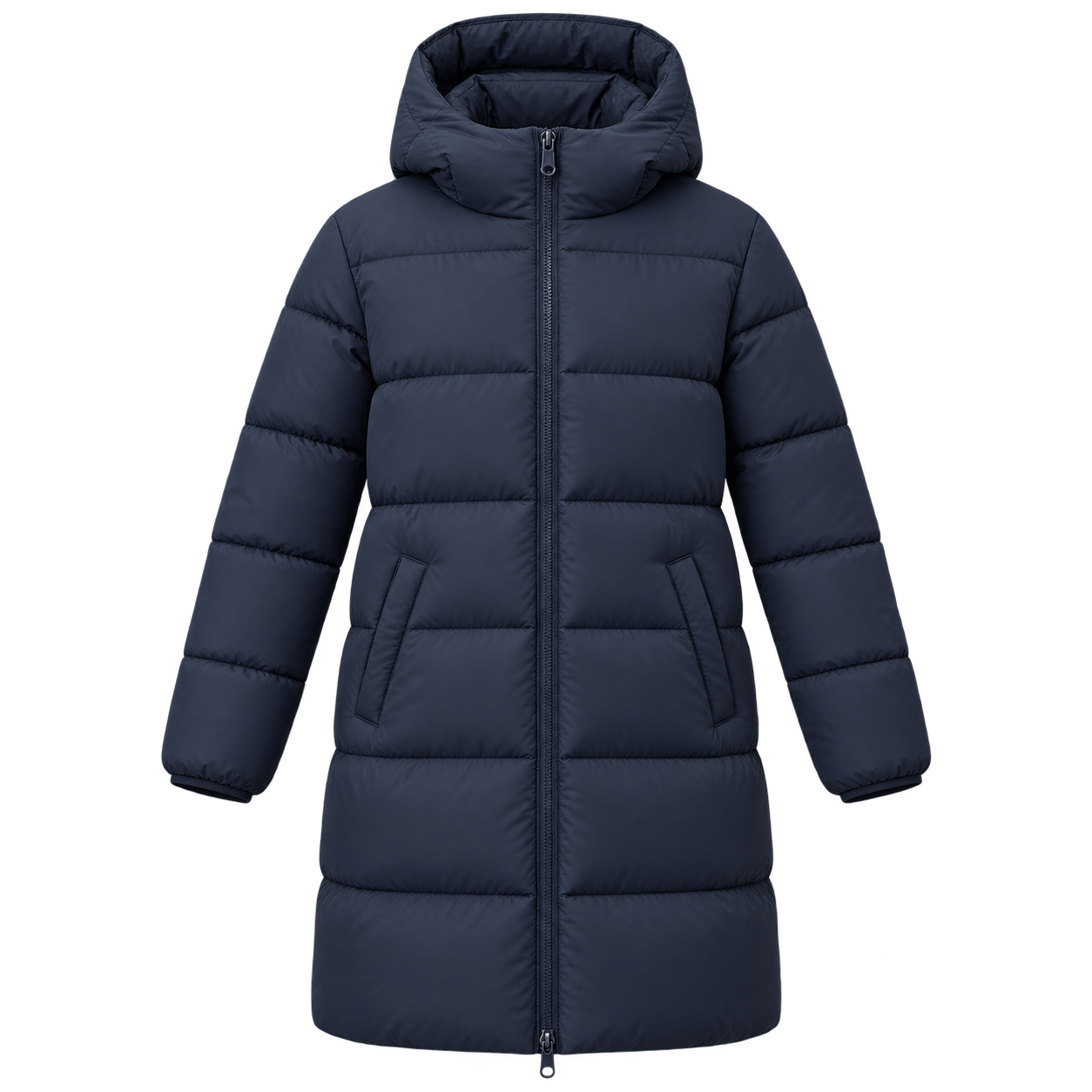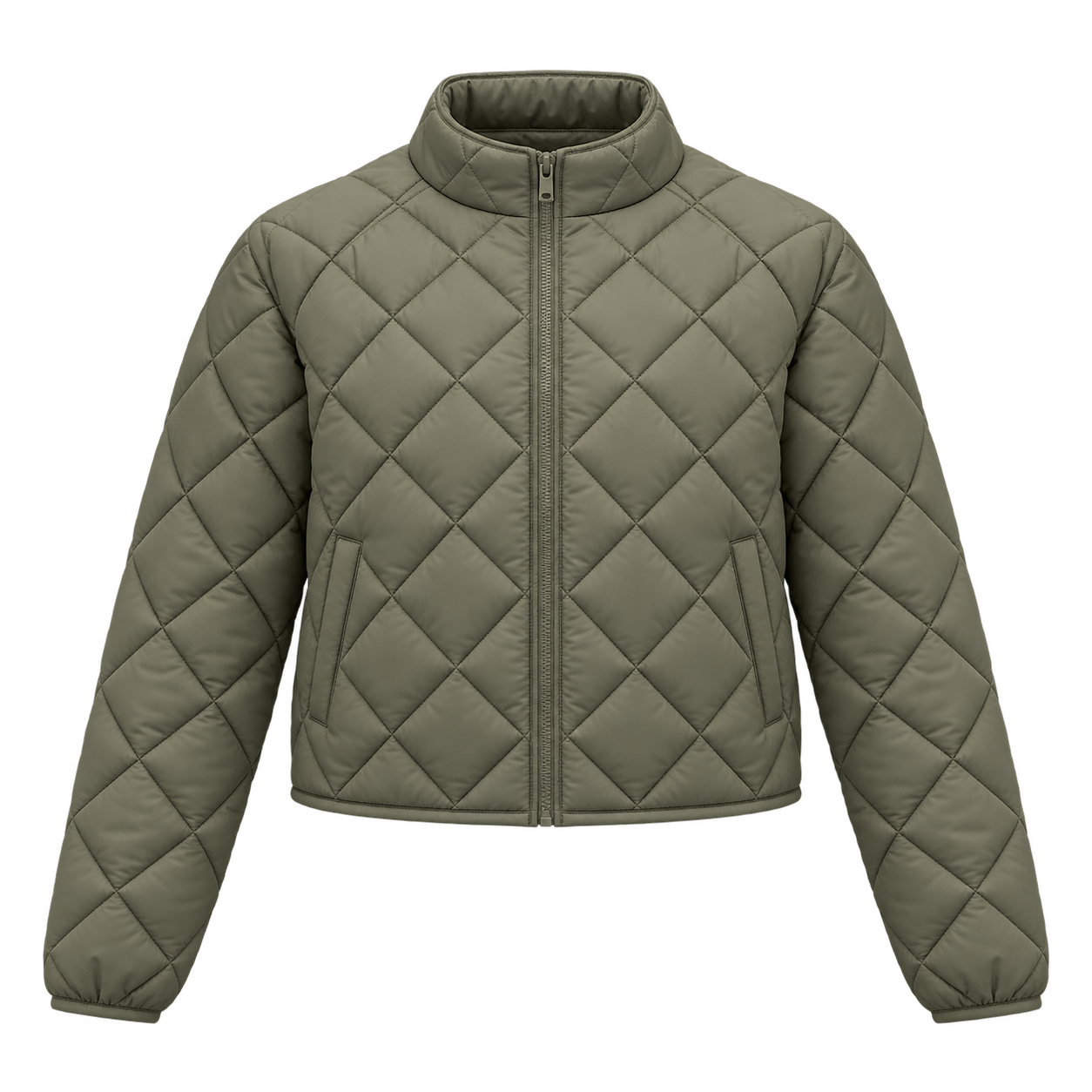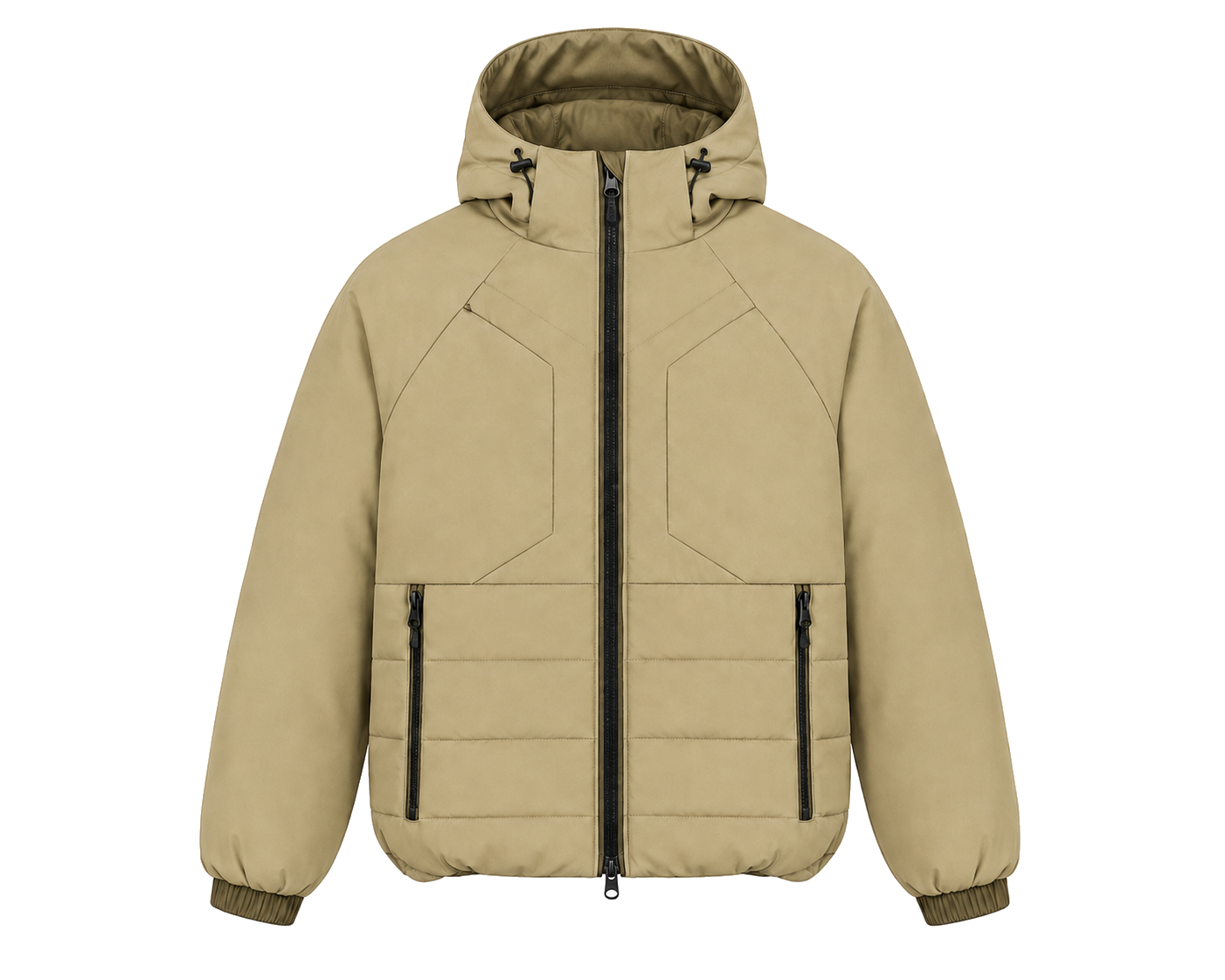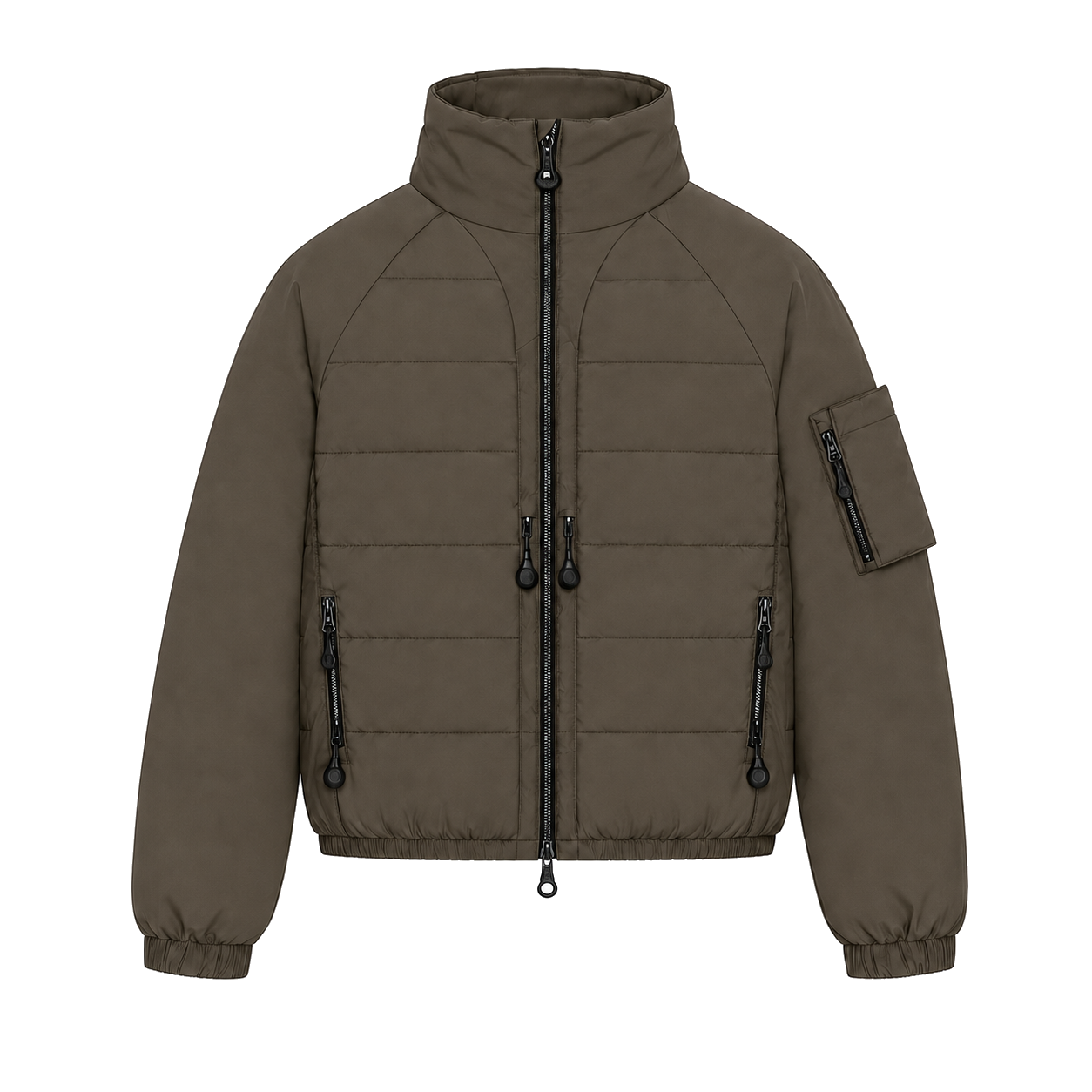



Contrast side gussets
Trace the rust panel from body side into the underarm on the front/back drawing and sample. Agree the visible width and junction positions for the ordered sizes.
With your permission, we use Google Analytics for sanitized page-path measurement. Inquiry forms and WhatsApp work without analytics consent.
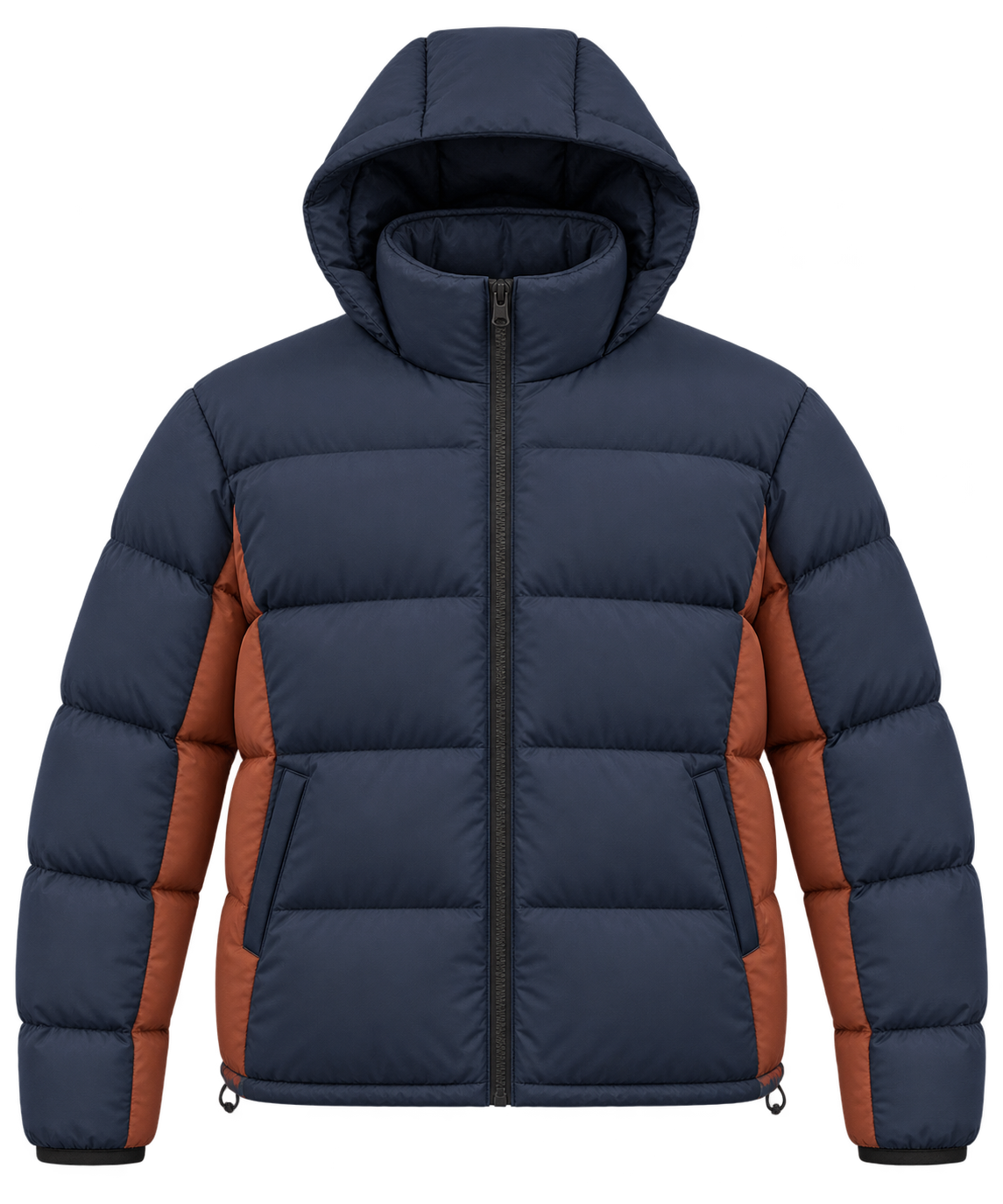
Contrast-Side-Panel Hooded Puffer Jacket · front manufacturing reference
OEM PUFFER JACKET
Develop this navy-and-rust hooded design with a puffer jacket manufacturer. Approve the side-to-underarm color transition, broad quilting, shell, lining and fill through sampling. MOQ 300 pieces per style and color.
Send quantity, size range, shell and insulation direction, artwork, destination and requested delivery window.
PRODUCT-SPECIFIC DEVELOPMENT
For buyers selecting a puffer jacket manufacturer, this navy-and-rust hooded concept offers a defined development direction: broad horizontal quilting, contrast body-side and underarm panels, a sculpted fixed hood and angled welt pockets. The original front render and front/back drawing communicate appearance; the accepted physical sample and technical pack must establish production dimensions and construction.
The key sourcing decision is how the shell, lining and insulation work together at the contrast-panel transitions. Quote those components explicitly, then check quilting junctions, fill distribution around panel seams, pocket access and hood shape with the chosen materials. A different fill or shell can change the sample's volume and sewing behavior. No temperature, waterproof or certified-content rating is assigned to the design images.
MOQ is 300 pieces per style and color; two colorways require at least 300 pieces each. Separate body and contrast-panel color references, confirm the size split and agree whether quilting alignment and panel proportions need a size-set review. Samples take 7–10 days after brief confirmation and bulk production takes 30–45 days after approval. Material availability, revised samples, required tests and release checks must be included when confirming the actual order schedule.
CONSTRUCTION DOSSIER
Baffle or panel geometry, insulation target, closure details and fit are treated as repeatable production controls.
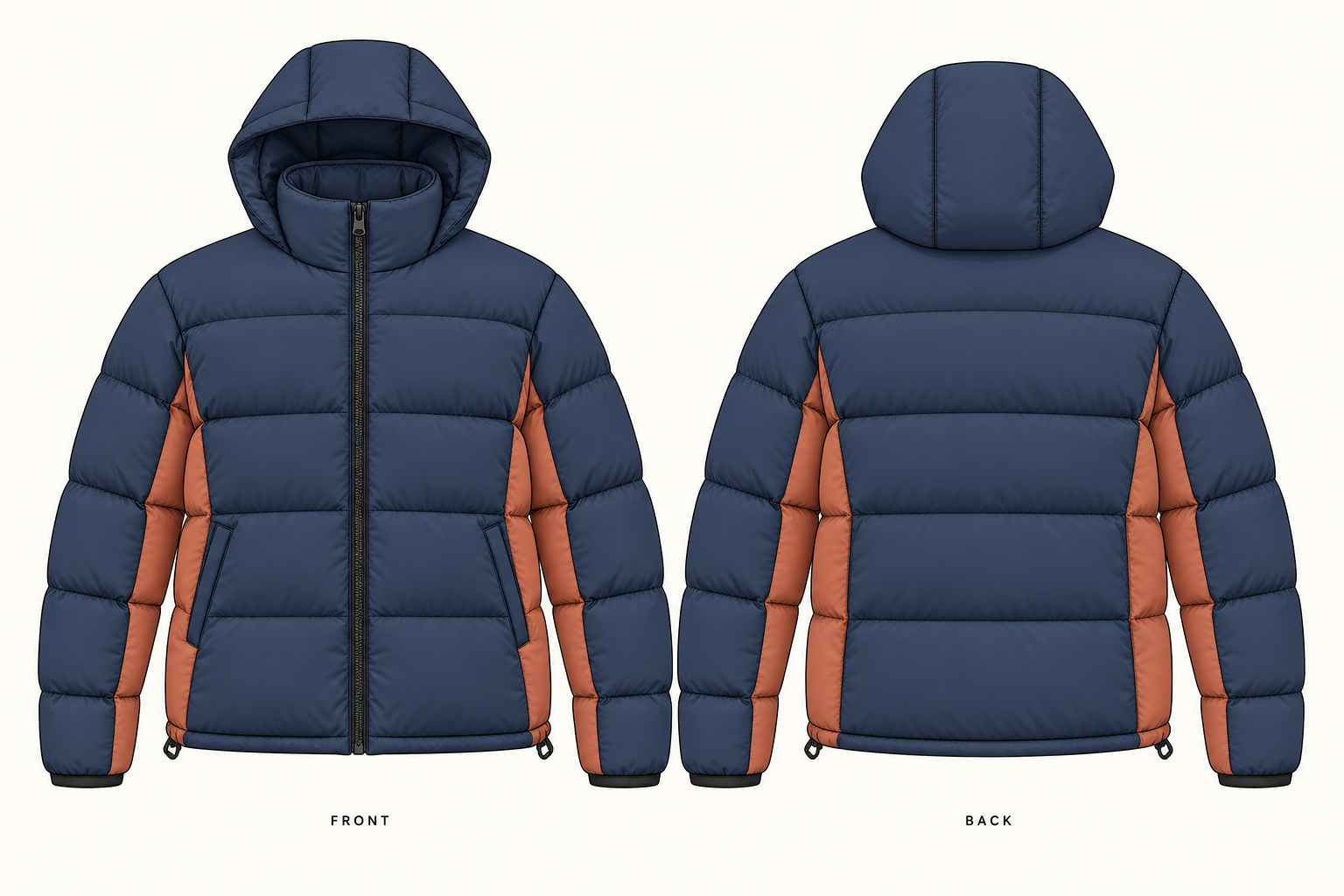
Trace the rust panel from body side into the underarm on the front/back drawing and sample. Agree the visible width and junction positions for the ordered sizes.
Review hood opening, depth, neck coverage and attachment with the intended layer underneath. Check whether the chosen insulation changes the approved silhouette.
Confirm chamber spacing and how lines meet panel seams and sleeve sections. Record acceptable alignment against the sample instead of inferring it from the render.
Review opening angle, usable depth, reinforcement and hand access while wearing the padded sample. Check that pocket construction does not pull the contrast panel out of position.
Inspect the sample for uneven bulk or restricted movement around the side-to-underarm transition. Agree the fill distribution and assembly solution before cutting bulk components.
Retain one accepted sample revision with the panel color map, material list, measurement results and closed construction comments. Identify remaining checks before shipment authorization.
FACTORY EVIDENCE
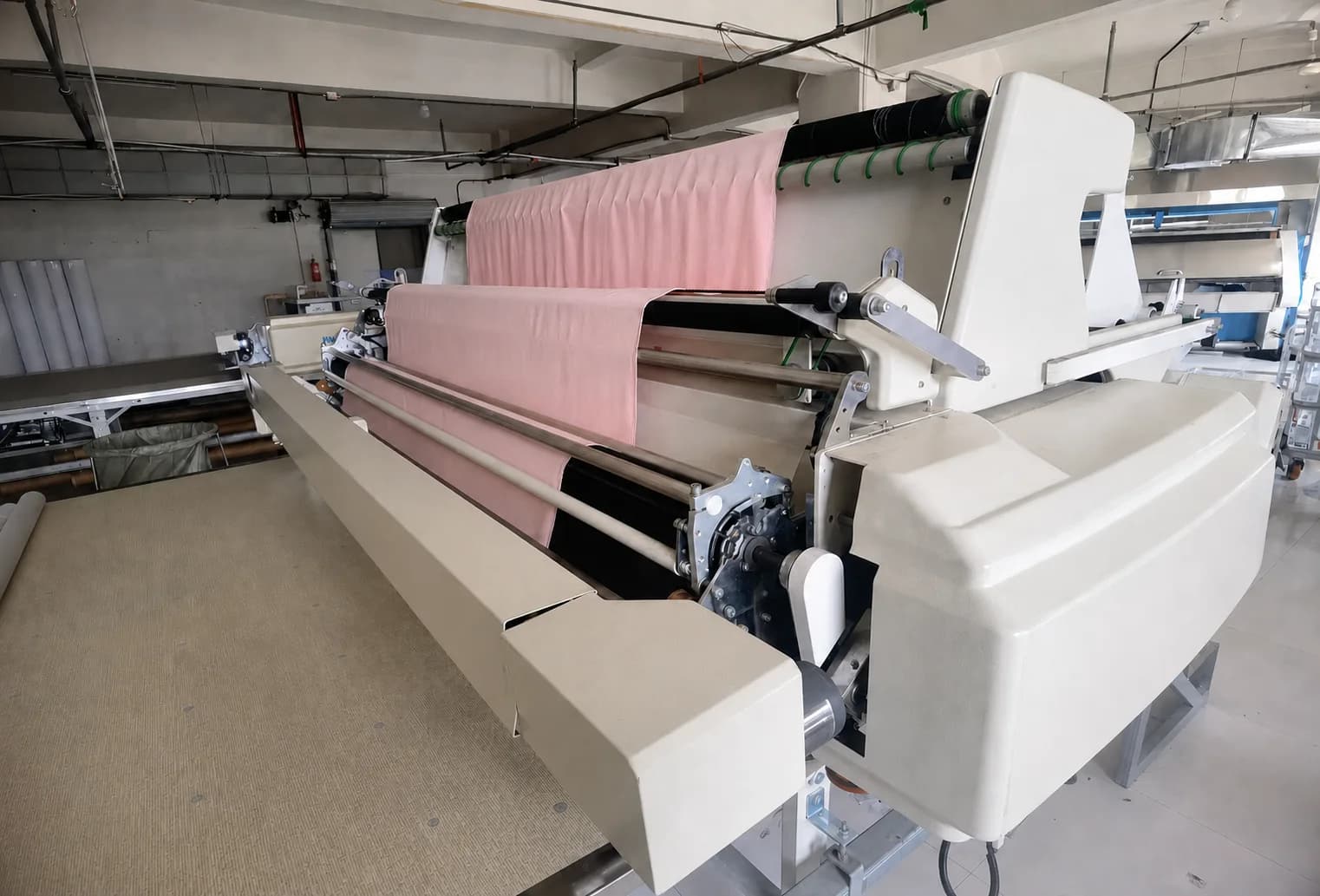
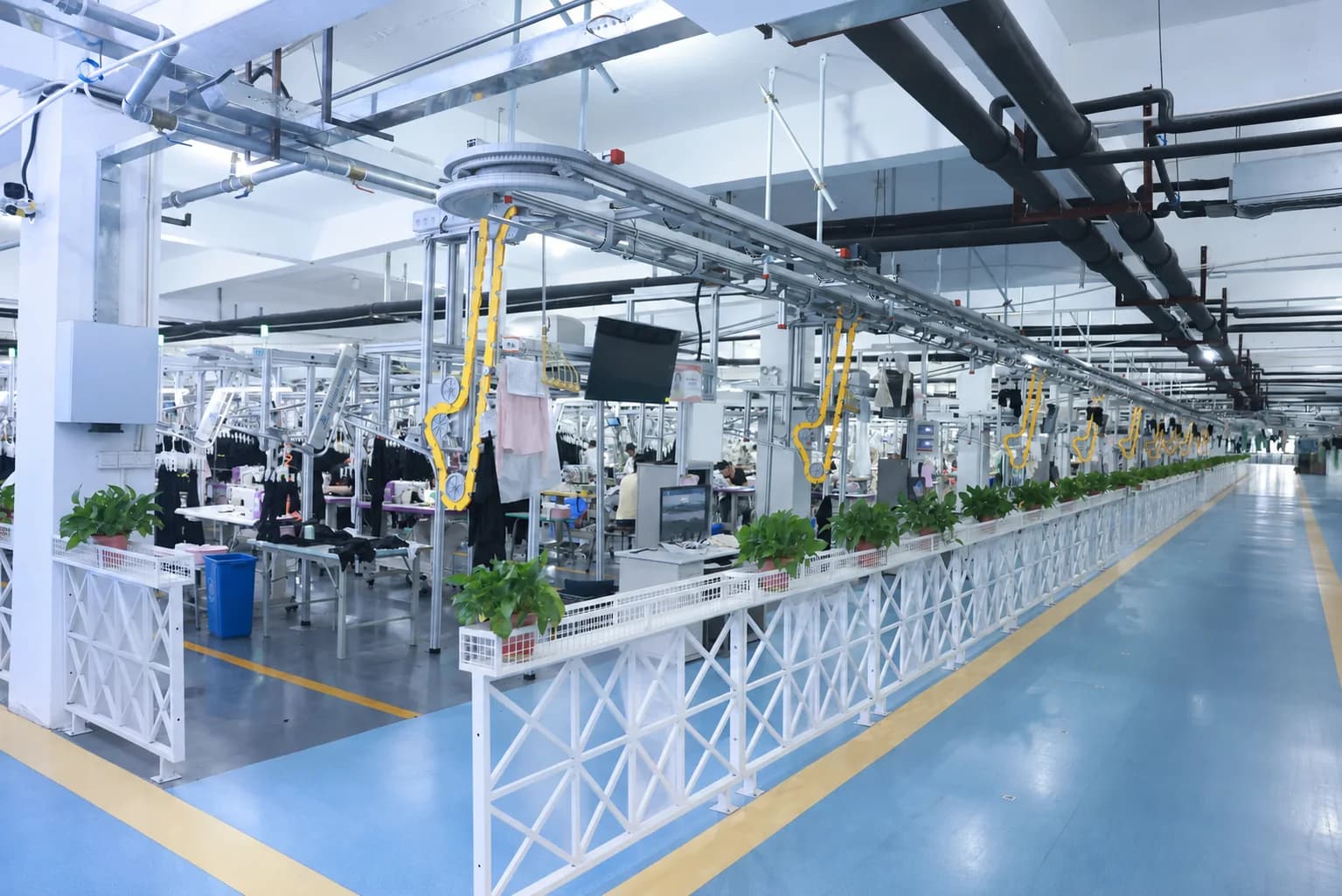
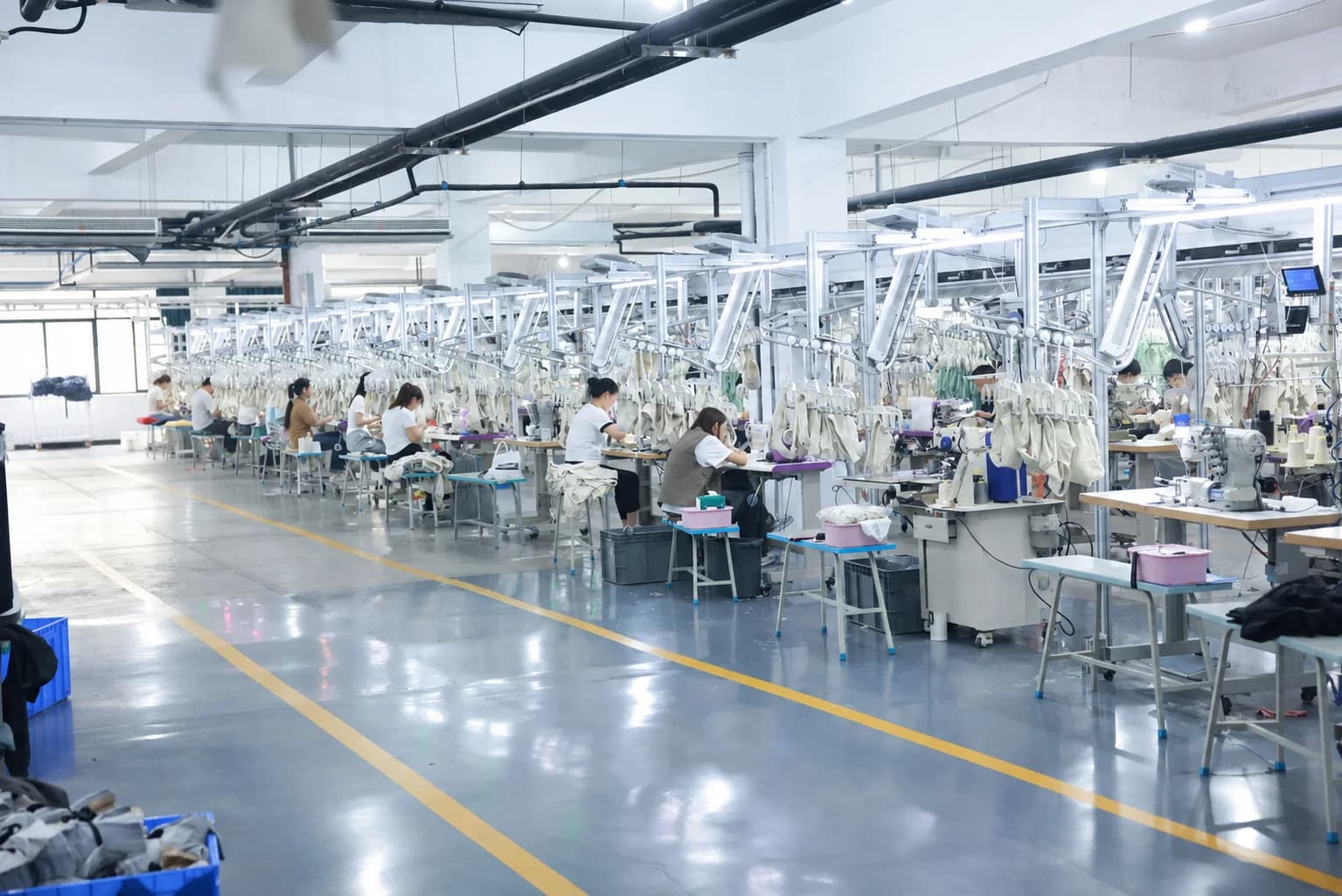
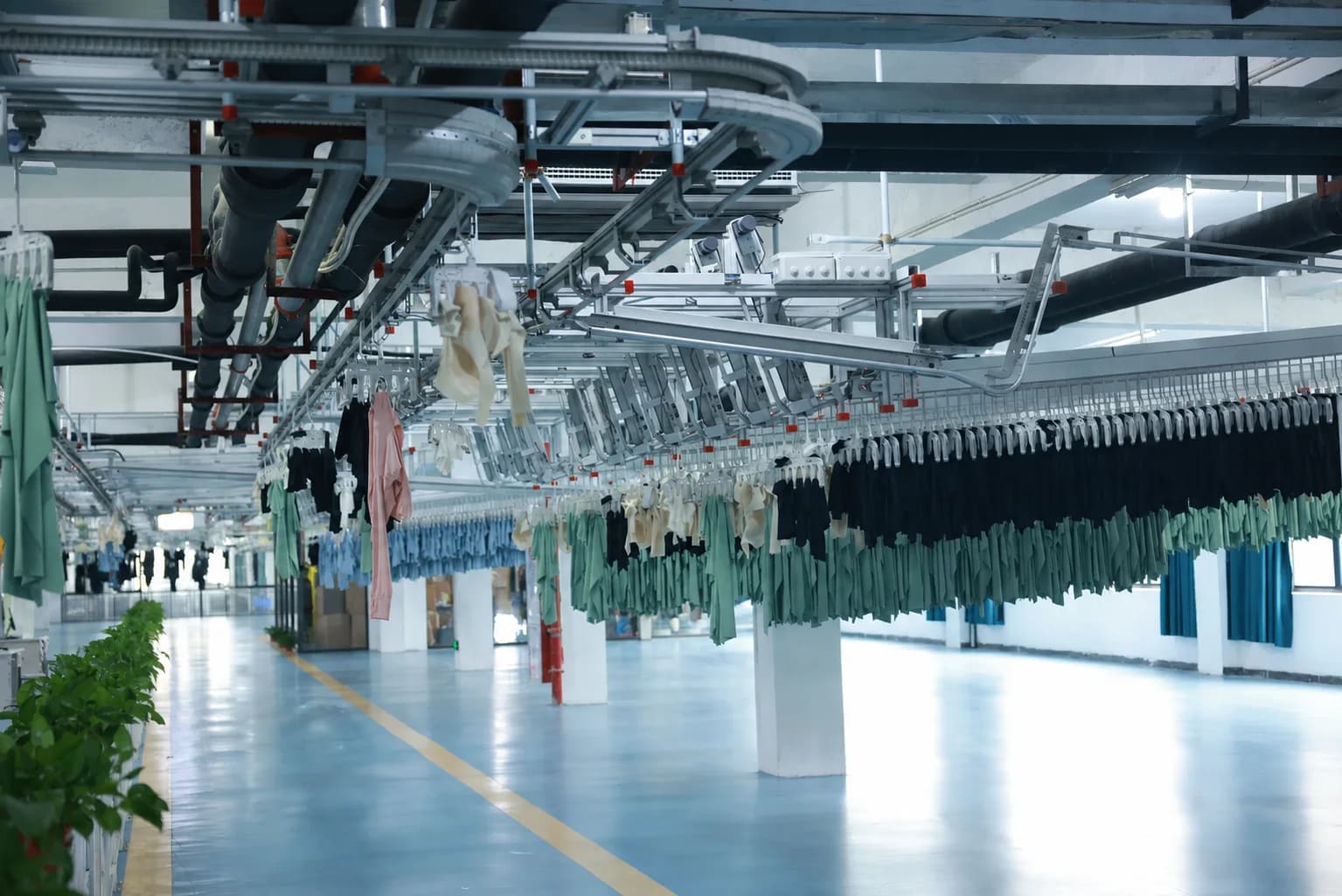
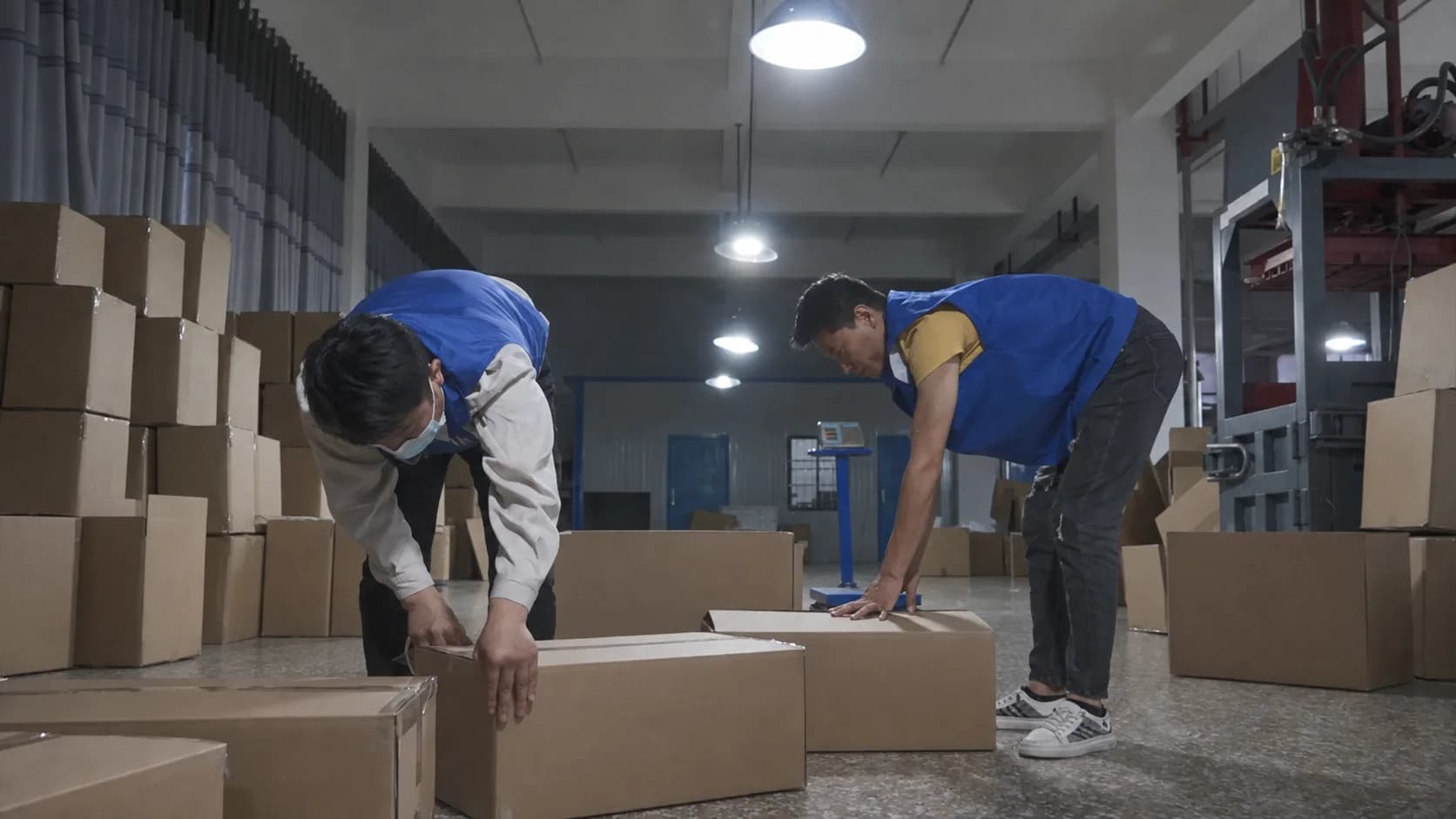
Real factory views connect the buyer brief to fabric preparation, cutting, sewing, handling and packing. The photographs are shared operational evidence; the specification above remains unique to this product.
MATERIAL DIRECTION
Shell, lining, insulation, handfeel and performance finish are confirmed against the buyer's warmth target and approved sample.
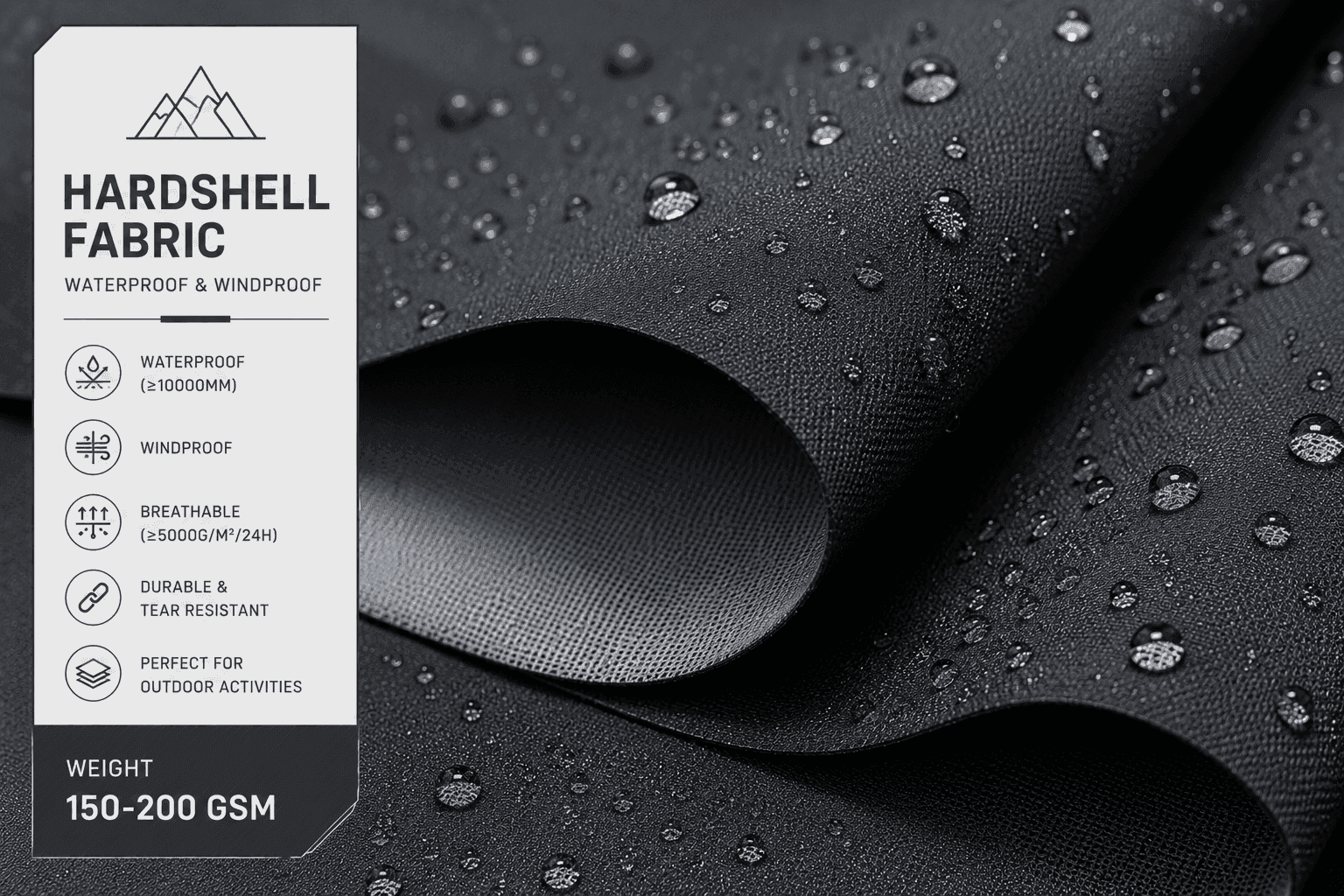
Compare physical woven-shell swatches for handfeel, weight, appearance and sewing behavior. Confirm the body and contrast references separately; the displayed fabric pictures are sourcing directions, not this design's approved material list.
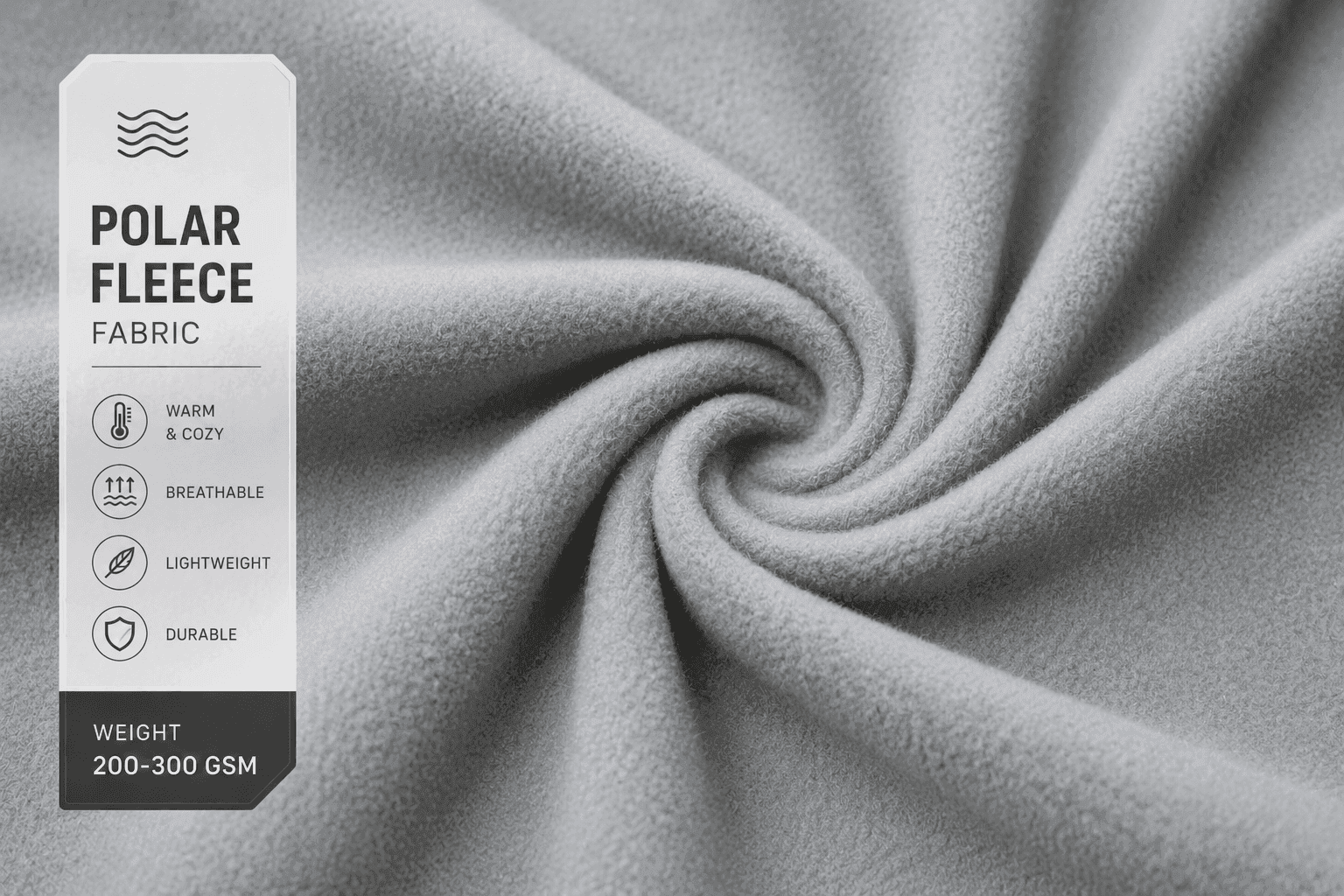
State the lining reference, insulation type and fill quantity or weight basis. Review the assembled sample around quilting and panel joins; substituting either component requires an agreed review.
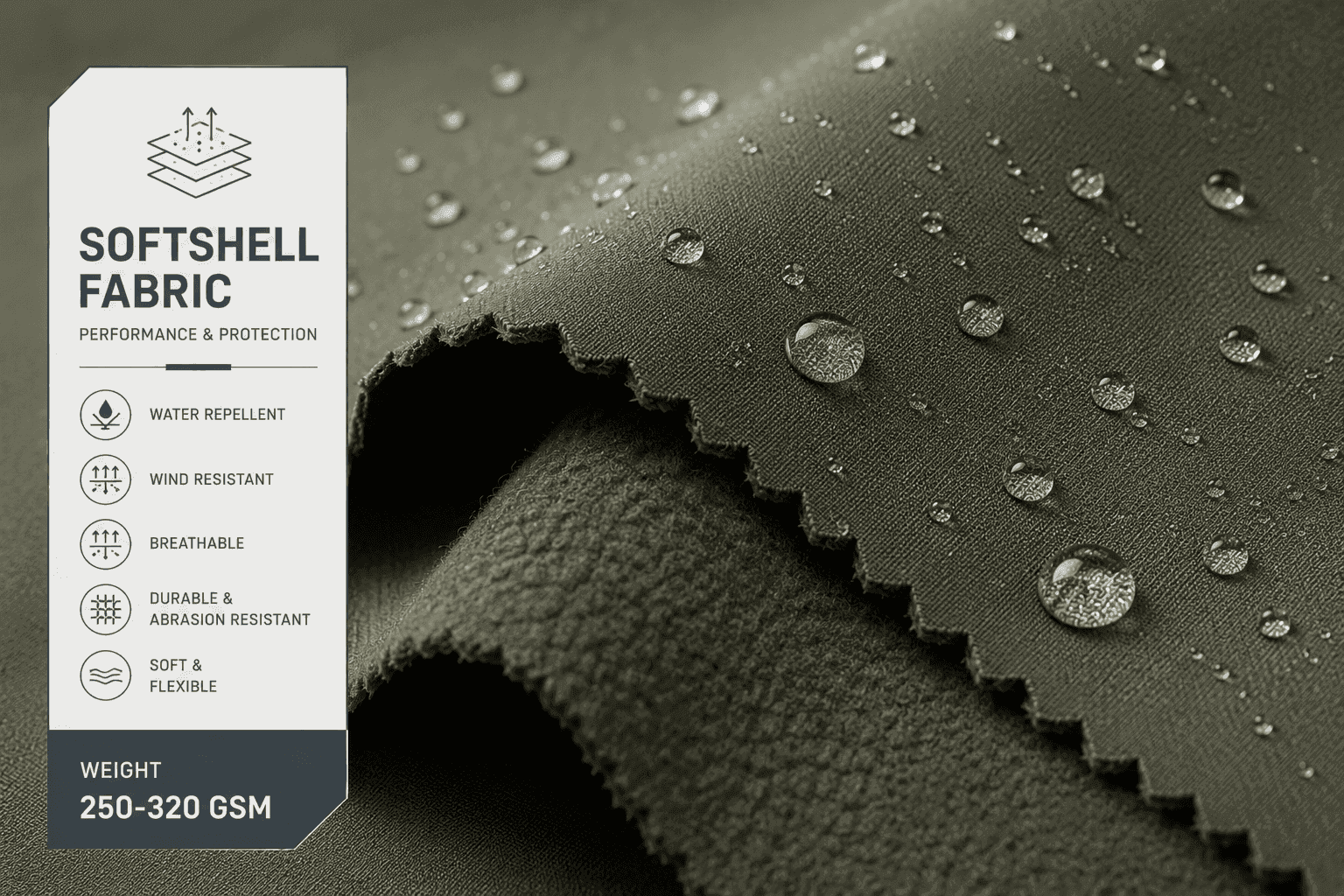
Describe the intended use and any required tests before quotation. Warmth, water resistance and recycled-content claims require evidence for the selected components and construction; the design render establishes none of them.
CUSTOMIZATION MATRIX
Each item becomes a recorded approval point so sampling decisions move cleanly into bulk production.
The rust side and underarm panel proportions can be developed to your brief. Supply the front/back color boundaries and review their continuity on the sample and agreed size set before approval.
Confirm how shell panels and insulation are assembled around the contrast joins. Review the resulting chamber alignment and bulk on a physical sample before locking the process.
Approve the hood's center panel, opening and collar connection with the chosen lining and insulation. Record fit comments against a named sample revision.
Set the welt angle and opening position on the pattern; check access and reinforcement on the padded sample with the agreed layering allowance.
Provide artwork size and placement references that clear quilting lines, pocket openings and contrast seams. Review decoration on the actual shell where required.
Approve the center zipper, cuff finish and hem adjustment together. Confirm trim colors against both navy and rust components before issuing the material list.
Supply chest, sleeve, hood and hem measurements plus intended layering allowance. Review reaching and pocket access while wearing the assembled padded sample.
Agree size increments and whether the side-panel width, underarm junction and quilting layout need size-specific review. Base-size approval alone does not settle every visual proportion.
Specify measuring methods and point-by-point tolerances. Record actual sample results, revision number and unresolved corrections before extending approval to bulk.
STYLE-SPECIFIC WORKFLOW
Six evidence-backed gates align panel geometry, insulation distribution, fit, trims and packing volume from brief to shipment.
Confirm the contrast side gussets, fixed hood and collar, broad horizontal quilting, size range and destination market.
Compare physical woven-shell swatches for handfeel, weight, appearance and sewing behavior. Confirm the body and contrast references separately; the displayed fabric pictures are sourcing directions, not this design's approved material list.
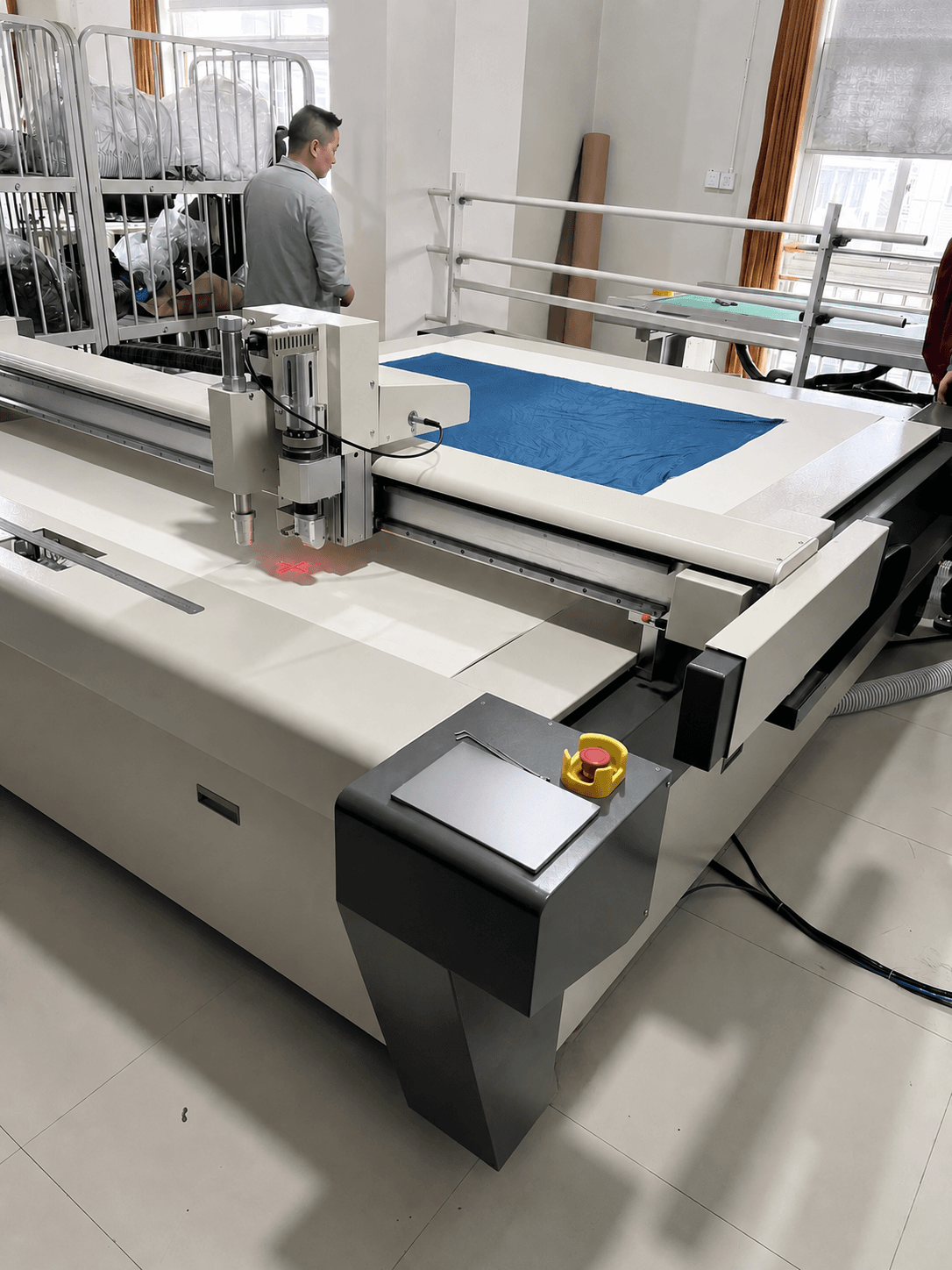
Translate the approved puffer jacket construction into repeatable pattern pieces and cutting markers.
Assemble a development sample for fit, contrast side gussets and functional review.
Supply chest, sleeve, hood and hem measurements plus intended layering allowance. Review reaching and pocket access while wearing the assembled padded sample.
Agree carton assortment, marks and packing-list references. Reconcile inspected and released quantities after any rework before shipment approval.
PRODUCT QUALITY PLAN
Inspection focuses on panel symmetry, insulation balance, seam appearance, zipper operation, measurements and packing condition.
Fixed hood and collarReview hood opening, depth, neck coverage and attachment with the intended layer underneath. Check whether the chosen insulation changes the approved silhouette.
Broad horizontal quiltingConfirm chamber spacing and how lines meet panel seams and sleeve sections. Record acceptable alignment against the sample instead of inferring it from the render.
Angled welt pocketsReview opening angle, usable depth, reinforcement and hand access while wearing the padded sample. Check that pocket construction does not pull the contrast panel out of position.
Panel and fill junctionsInspect the sample for uneven bulk or restricted movement around the side-to-underarm transition. Agree the fill distribution and assembly solution before cutting bulk components.
Bulk release referenceRetain one accepted sample revision with the panel color map, material list, measurement results and closed construction comments. Identify remaining checks before shipment authorization.
BUYER QUESTIONS
Practical answers for private-label buyers preparing insulation, shell, fit, sampling and factory-quotation requirements.
The rust side and underarm panel proportions can be developed to your brief. Supply the front/back color boundaries and review their continuity on the sample and agreed size set before approval.
Compare physical woven-shell swatches for handfeel, weight, appearance and sewing behavior. Confirm the body and contrast references separately; the displayed fabric pictures are sourcing directions, not this design's approved material list. State the lining reference, insulation type and fill quantity or weight basis. Review the assembled sample around quilting and panel joins; substituting either component requires an agreed review.
Supply chest, sleeve, hood and hem measurements plus intended layering allowance. Review reaching and pocket access while wearing the assembled padded sample. Agree size increments and whether the side-panel width, underarm junction and quilting layout need size-specific review. Base-size approval alone does not settle every visual proportion.
For this puffer RFQ, send the front/back reference, quantities by color and size, measurement chart, intended layering allowance, shell and lining references, insulation type and quantity basis, body-to-underarm color map, branding and packing requirements. State which components are fixed and which need sourcing proposals. Ask the quotation to identify fill, zipper, labeling and packing inclusions; a price without the same component scope cannot be compared reliably. Include the destination, required delivery window and any unresolved tests before requesting a bulk release date.
FACTORY RFQ
Send quantity, size range, shell and insulation direction, artwork, destination and requested delivery window. Our factory team will review the brief for sampling and bulk production.